
Research
NAB and Reynolds Journalism Institute announce partnership on COVID-19 vaccine education messaging
Partnership will provide guidance for regional approach to public health education Washington, D.C. — The National Association of Broadcasters (NAB) and the Donald W. Reynolds Journalism Institute today announced a nationwide research project to identify effective COVID-19 vaccine education messaging. The research findings will be used to develop tools and resources for local radio and … Continued
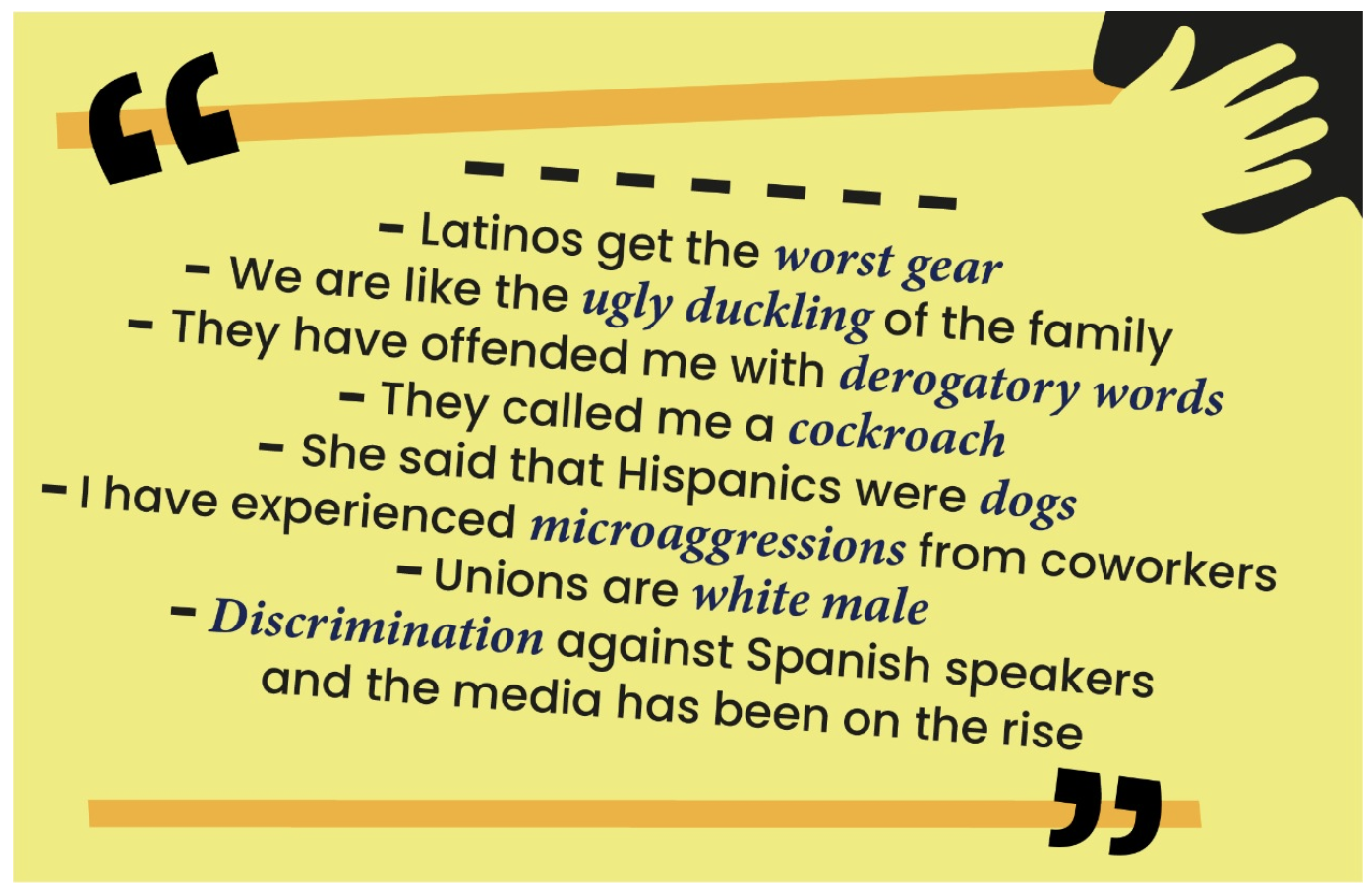
From the frontlines: Latino journalists describe discrimination
In our investigative project we have already mentioned salary disparities as the main factor of discrimination, and our final product will focus on a tool kit for young Latina journalists to use as they face their first employment interviews. While we are working on this, we will also bring to light several testimonies we have … Continued
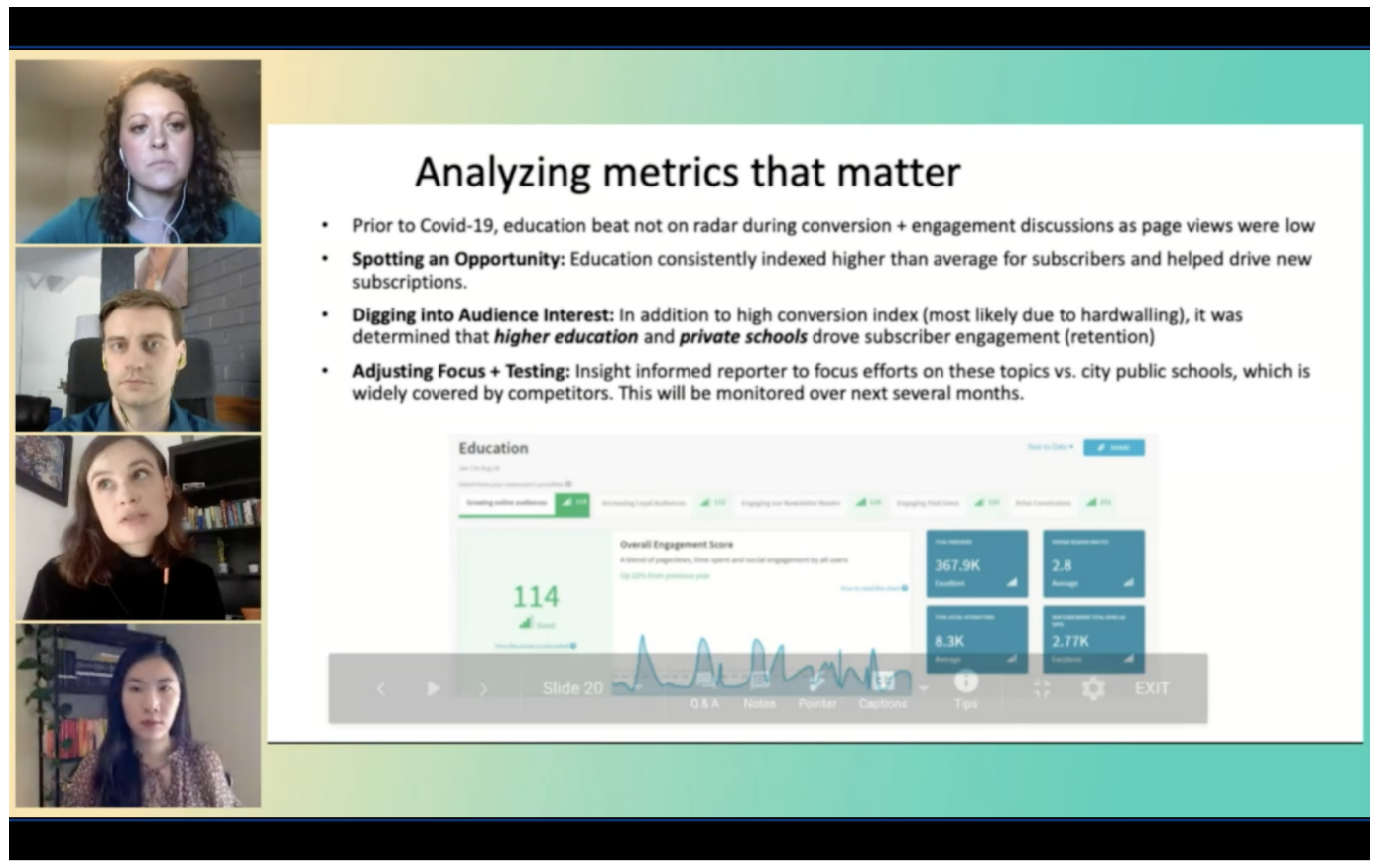
Managing metrics that matter for subscriptions
Managing metrics that matter Mike Denison, audience engagement editor at Science News, sees analytics and metrics as a tool to “cut through the noise and look beyond page views.” This year at ONA20, learning about the importance of analytics and metrics has shown to be of growing interest for the industry at a time when … Continued
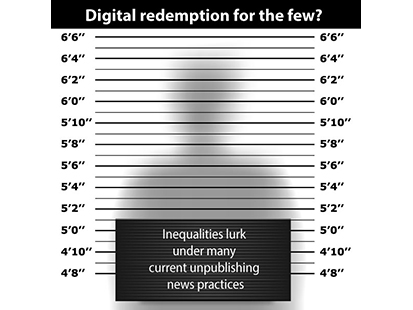
Good intentions for unpublishing may create unintended inequities
If you are working in a newsroom, you probably already know the challenges surrounding low-level crime reporting today. Crime briefs and the publication of mugshots drive a substantial number of unpublishing requests by individuals looking to shield these digital reminders of their past, often about old arrests or convictions. This has caused at least one … Continued
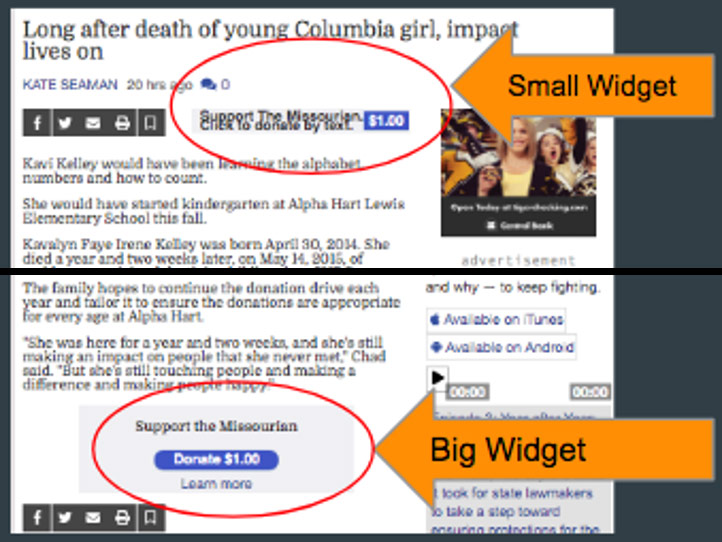
Can pay-by-text micropayments become a viable revenue source for newspapers?
COVID-19 accelerated what we’ve known for some time: Newsrooms cannot rely on advertising. Now more than ever newsrooms need to grow reader revenue — soliciting direct support from their readers. We have subscriptions. A new study from the International News Media Association (INMA) found that 39% of digital news publishers across 33 countries charged for … Continued

Survey: Journalists’ most urgent training needs are mobile, data and video
Respondents say they’d try bite-size lessons on their phone to learn digital skills.

White paper: Two days dedicated to Dodging the Memory Hole
This white paper summarizes the Dodging the Memory Hole 2016: Saving online news event, with overviews of the panels and presentations, and projects produced by groups at the conference as well as student scholarship recipients. On Oct. 13–14, 2016, University of Missouri Libraries, in collaboration with the Donald W. Reynolds Journalism Institute, UCLA Library and … Continued
Memory holes and permanent errors: Part 4
The preservation of online news corrections, updates and post-publication edits.
Memory holes and permanent errors: Part 3
The preservation of online news corrections, updates and post-publication edits.
Memory holes and permanent errors: Part 2
The preservation of online news corrections, updates and post-publication edits.