
Research
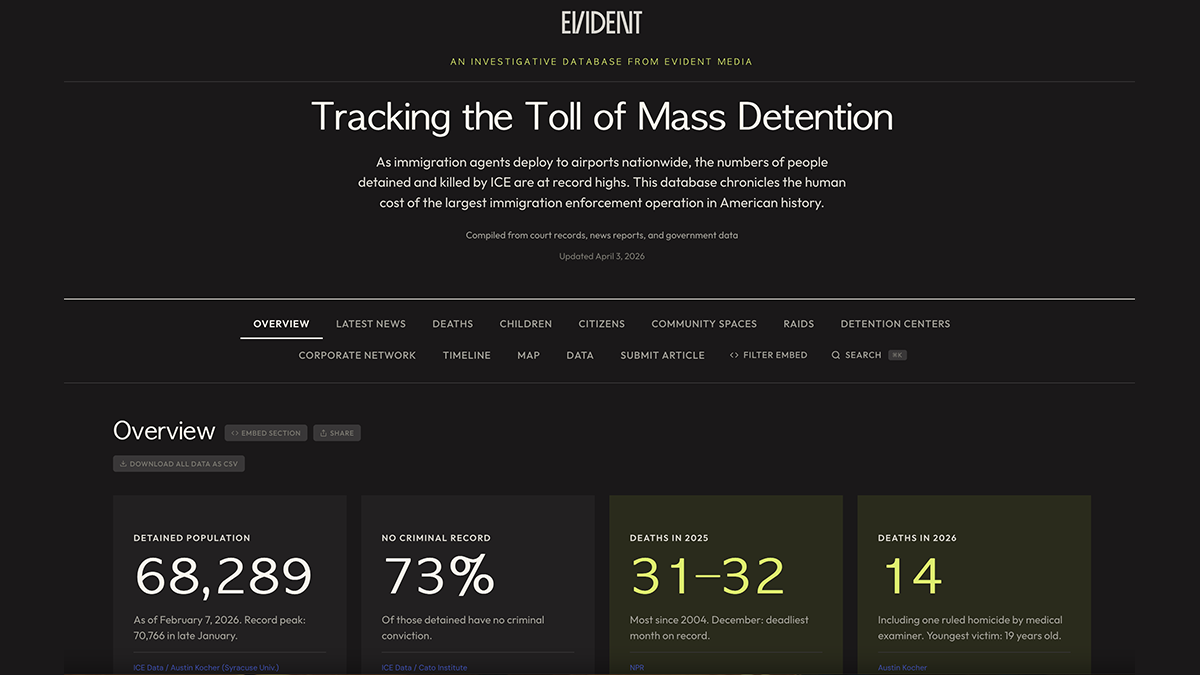
Mass detention database puts trove of data at fingertips of investigative journalists
With the launch of ICEtracking.org late last month from Evident Media, journalists have a new resource that parses and organizes a wide range of information about mass detentions.

New research reveals best practices for newsrooms on TikTok
Learn how to create successful, platform-specific content.

Exploring the intersection of public policy and local news
This article is part of RJI Impact, a series documenting how RJI projects are making a real difference for newsrooms and audiences all over the country. It was originally published in the Winter 2026 edition of RJI Insight, RJI’s biannual print magazine. A digital version of the magazine is available here. As more people argue … Continued

How we made the Ecosystem Research Toolkit
We applied the basics of product development to design a user-centered, actionable guide for local funders.
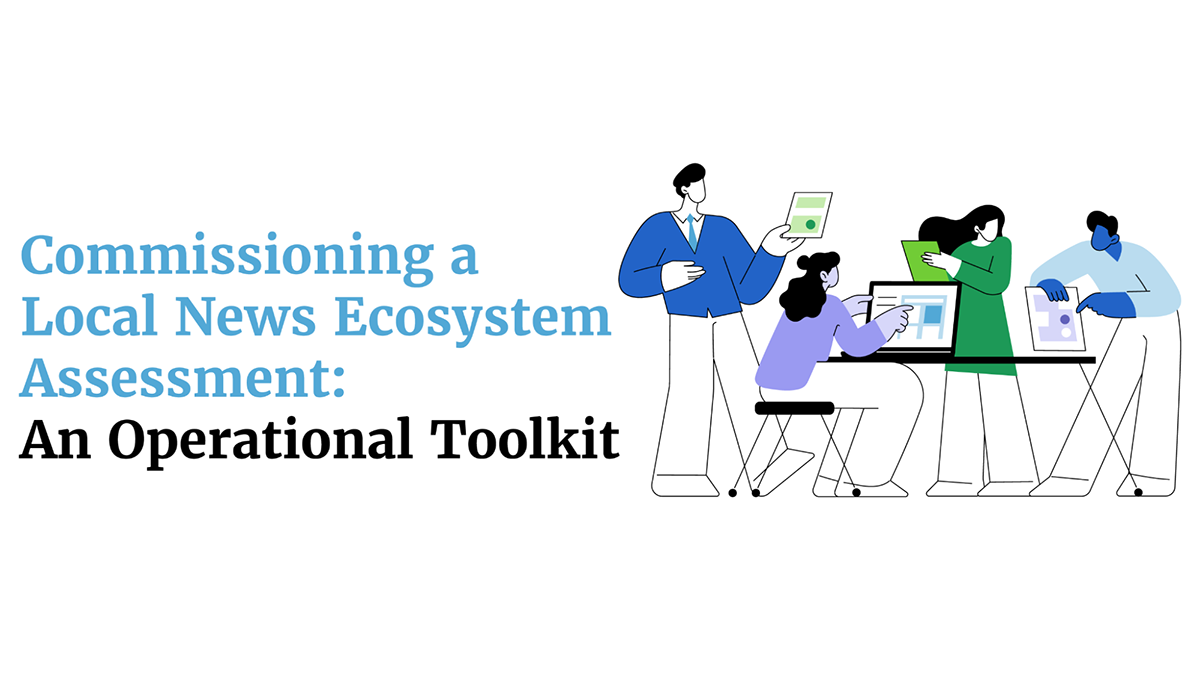
Launching today: How to commission an effective local news ecosystem assessment
The Reynolds Journalism Institute (RJI) and the Local News Impact Consortium (LNIC) have launched Commissioning a Local News Ecosystem Assessment: An Operational Toolkit, a resource to streamline research into the forces and players that shape local news.

Take our survey on Hostility, Silence and the Fight for Trust
We need your valuable perspective for a new public national survey about Hostility, Silence and the Fight for Trust.

New research effort examines impact of ‘no comment’ by public figures in news articles — and what can be done about it
After a landmark study of burnout in journalism that concluded in 2024, RJI is once again partnering with research firm SmithGeiger for a national survey of news professionals and — this time — members of the public to learn more about the evolving relationship between the industry and public figures.

Inside the business of obituaries in weekly newspapers
Study shows that paid obits bring in little income but are nearly universal.

A new resource for taking the guesswork out of ecosystem research
These assessments reveal who is informing communities, where gaps persist, and how resources can be deployed more strategically.

Ad dollars from cities or states could be a lifeline for community news media
But efforts to require agencies to take out ads with local news sites have had spotty results.