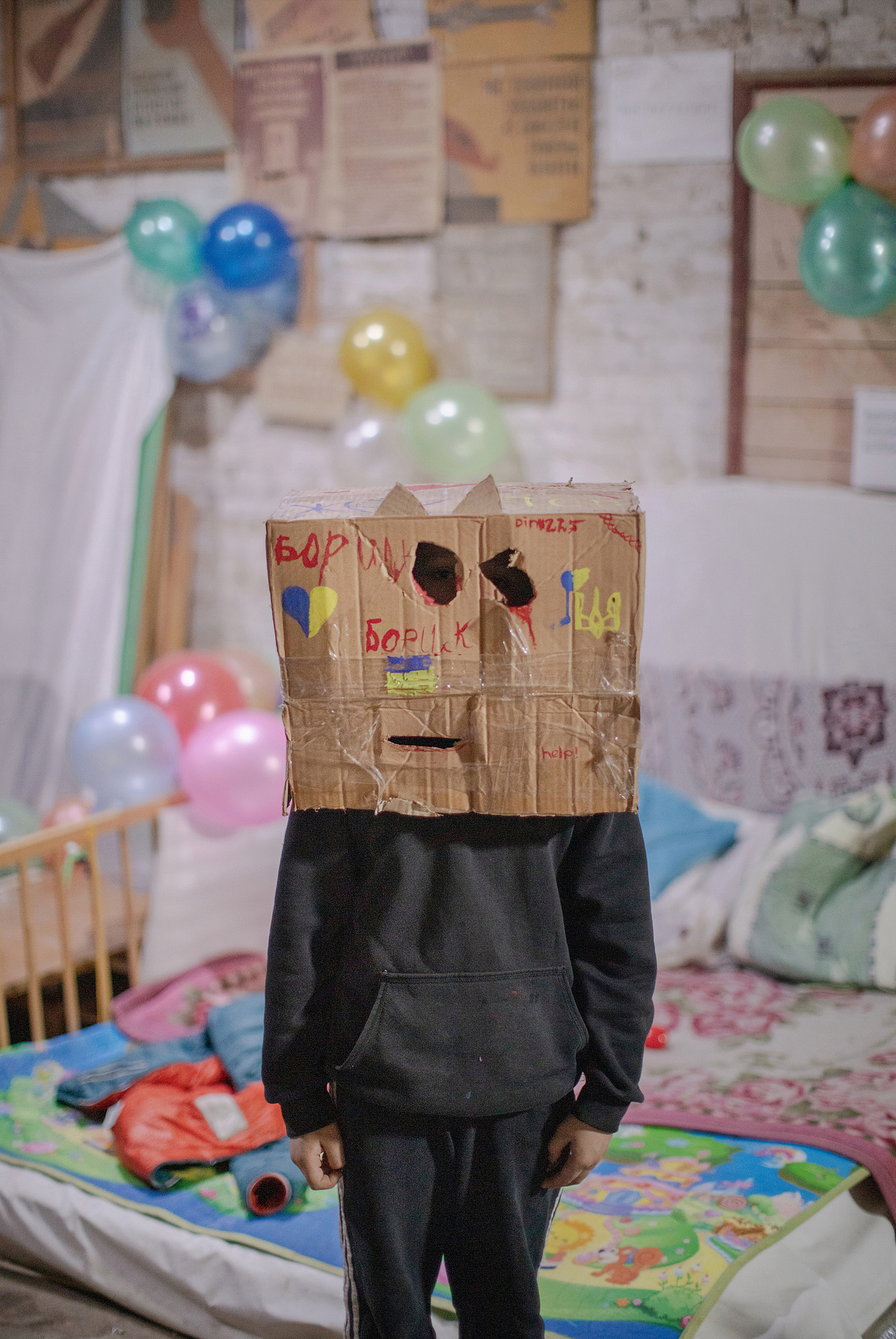
Photo: Sarah Blesener | ProPublica
Aftercare (is not an afterthought)


Shared practices of care for secondary trauma
How many of us have felt that we do not have the right to feel affected, that we are only listening to a traumatic story, or that we have the luxury of exiting the space and heading home — what right do we have to feel sad? On the other hand, we have also witnessed countless colleagues, or have ourselves, faced burnout, anxiety-related health conditions, addictions, and struggles with maintaining healthy relationships and connections.
Historically journalists have often been discouraged from recognizing the secondhand trauma they come into contact with. You may even feel nervous about discussing mental health or anxiety in the workplace for fear of repercussions, loss of income, or from the feeling of guilt that arises from being a witness.
Aftercare is not just “a nice thought to have” or a luxury for someone else but both the last step of our trauma-informed session and the first step of the next. It is a way of resetting the body to come into the next session regulated, congruent, and ready to hold space for future participants.
What is secondary trauma?
“Vicarious traumatization,” otherwise known as “secondary trauma,” describes the cumulative effects of exposure to and empathetic engagement with traumatic events. Common signs of vicarious trauma include: social withdrawal, avoiding physical intimacy, stress-related medical conditions, negative coping skills, cynicism, loss of hope, disassociation, compulsive behavior, nightmares, decreased sense of self-worth and self-esteem, burnout, and the inability to function at work.
The repetitious exposure to traumatic information or events is, in itself, traumatic. We hope it is at least affirming to hear that the effects of secondary trauma are real and, if you are experiencing any of the above effects, know that you are not alone and you deserve to receive support in managing them.
While care rituals are essential to incorporate into our practice, oftentimes it is not enough when we are experiencing overwhelming impacts from this work. If you are experiencing significant distress, are self-medicating with substances, or if you are simply unable to sustain your work due to burnout, it is recommended that you seek professional medical and/or mental health guidance immediately.
A place to start
- Immediately following the session, find a simple, physical, repeatable transition. Something that tells your nervous system, “Now we’re somewhere new.”
Examples:- Change your clothes
- Take a shower
- Put your camera in a different room.
- Drink a glass of water or tea. Uncaffeinated preferred.
- Set a timer for 20 minutes to just breathe for a bit. Don’t look at the images yet.
Examples:- Go for a walk.
- Take your shoes off
- Journal
- Phone a friend, someone that gives you energy and/or ease.
Aftercare practices shared by photographers/visual journalists via an open call
N: Rest. Talk it out with people who have had similar experiences. Work out like crazy. Start a meditation practice—understand it’s going to hit you in very weird ways and the response is often delayed. Rest more. Do stuff in your life that has zero to do with photojournalism with friends who love you. Garden; do physical tactile projects that make you feel accomplished and tired and human, then try to help the people you saw hurting in a way beyond photography which we all know isn’t enough.
E: Therapy is critical. Also decompression tools: meditation, bath, a hot shower, music, drawing, a television show I can invest myself in.
M: For me, it’s about prioritizing spending time doing something that brings me joy. I think about blocking out time to do that the same way I would for an interview, assignment, or meeting. Otherwise, I’d keep putting it off. In my case, it’s getting outside and getting in the dirt. Lately, it’s been especially about experimenting with germination. As my friend said, “You can’t plant a seed and not have hope.”
H: I get a lot of the care I need to show up fully by walking with trees or any nature that’s available. The trips to and from are little rituals that help me shift in and out of that space. Letting it sink in that what we’ve done together has given the women [I photograph] a sense of being understood. That washes over me and I feel vibrant despite all the trauma. Also poetry, lots of poetry.
A: I find yoga and time in nature to be most restorative after a difficult assignment.They both get me off of my devices and back in my body. While on assignment, I’m also really careful to eat healthy and to get as much sleep as possible. I also like to make herbal tea at bedtime. It helps me feel more centered and able to fall asleep.
M: Breathe and take a break from the images before you go through them! I don’t edit until I have some space away from the heavy interaction. Usually I go for a long walk or a comfort meal, talk with a loved one about it first so any secondhand trauma doesn’t just stay bottled up too.
J: Whether I’m working as a photographer, creative facilitator, or editor — especially in intense or sensitive contexts — I sometimes engage myself in or offer to others (i.e. the photographers I’m working with) a reflective practice that involves a series of freewriting prompts to reflect on photographs after some time has passed since they were made — whether that’s days, weeks, months, or even years. I’ve been surprised by what emerges from this process, and how often it can be instructive not only for better understanding the project or interaction but also for releasing or accessing deeper insights into my own experience
Invitation
What are your aftercare practices? We invite you to share with us your own aftercare practices and insights for our forthcoming resource.
Cite this article
Jacklin-Stratton, Jennifer; and Blesener, Sarah (2025, Dec. 4). Aftercare (is not an afterthought). Reynolds Journalism Institute. Retrieved from: https://rjionline.org/news/aftercare-is-not-an-afterthought/