
Engagement

Q&A: Wisconsin Public Radio’s Source Demographic Project
Here are some of the most common questions and answers, which I hope will help newsrooms tackle a similar initiative to make their coverage more reflective of their communities.
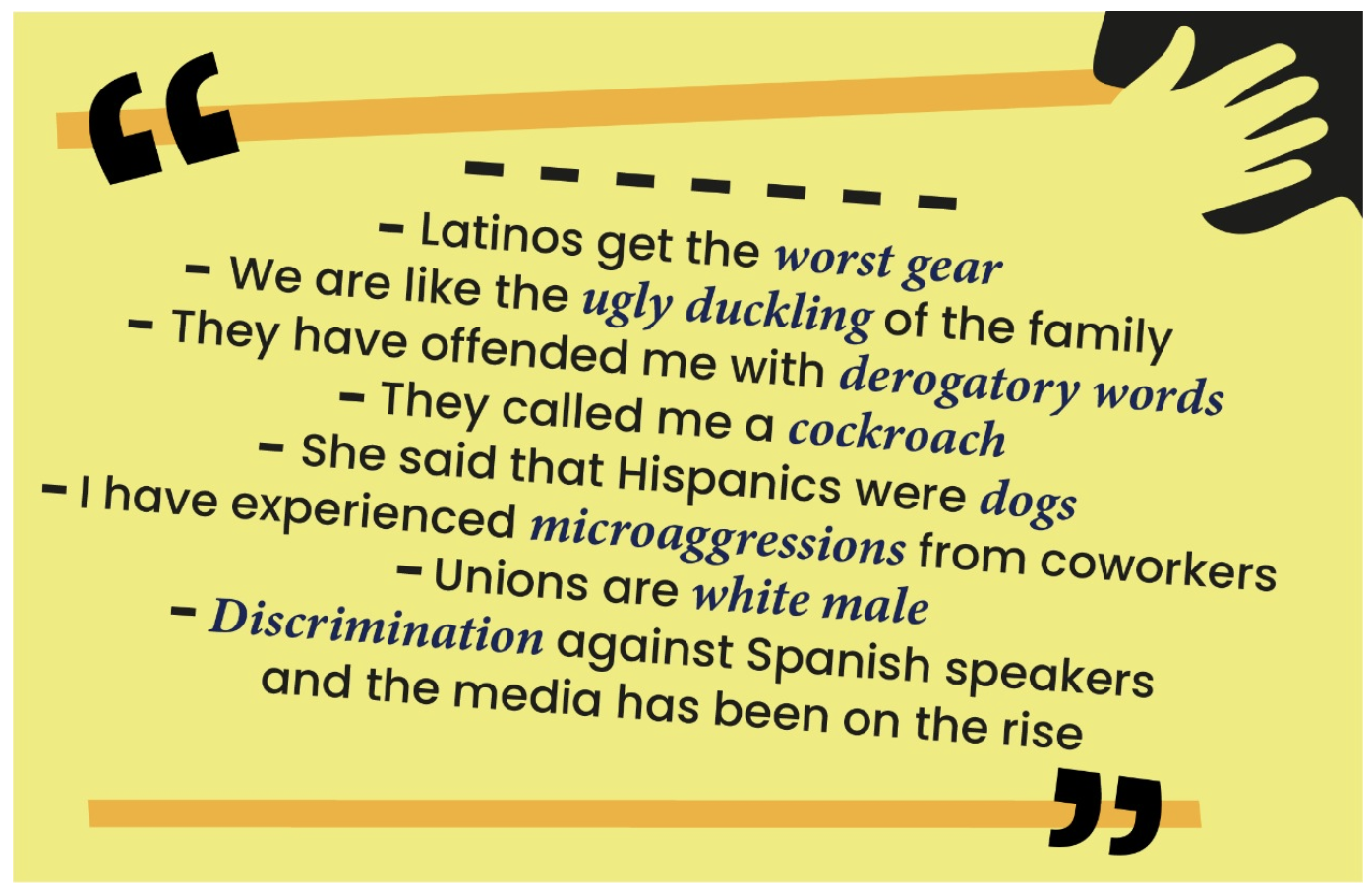
From the frontlines: Latino journalists describe discrimination
In our investigative project we have already mentioned salary disparities as the main factor of discrimination, and our final product will focus on a tool kit for young Latina journalists to use as they face their first employment interviews. While we are working on this, we will also bring to light several testimonies we have … Continued

When should you think about unpublishing? Before you publish in the first place.
It may be time to revisit basic editorial practices in your newsroom.
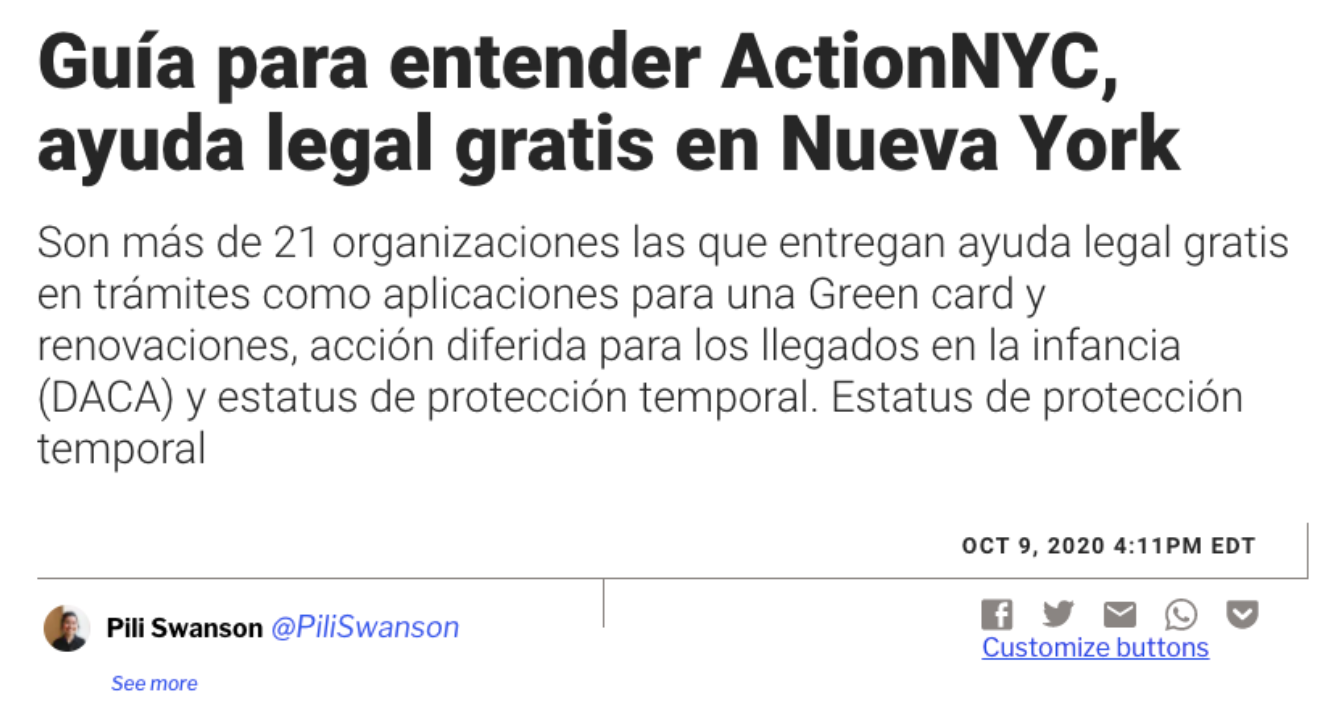
What’s next for Documented Semanal, a WhatsApp newsletter
When the pandemic began, we, like many other organizations, worked quickly to respond to all of the pressing needs of our readers. Tens of thousands of NeW Yorkers were suddenly left jobless and afraid of getting sick. We knew financial relief and organizations seeking to help were out there, but many residents did not know … Continued
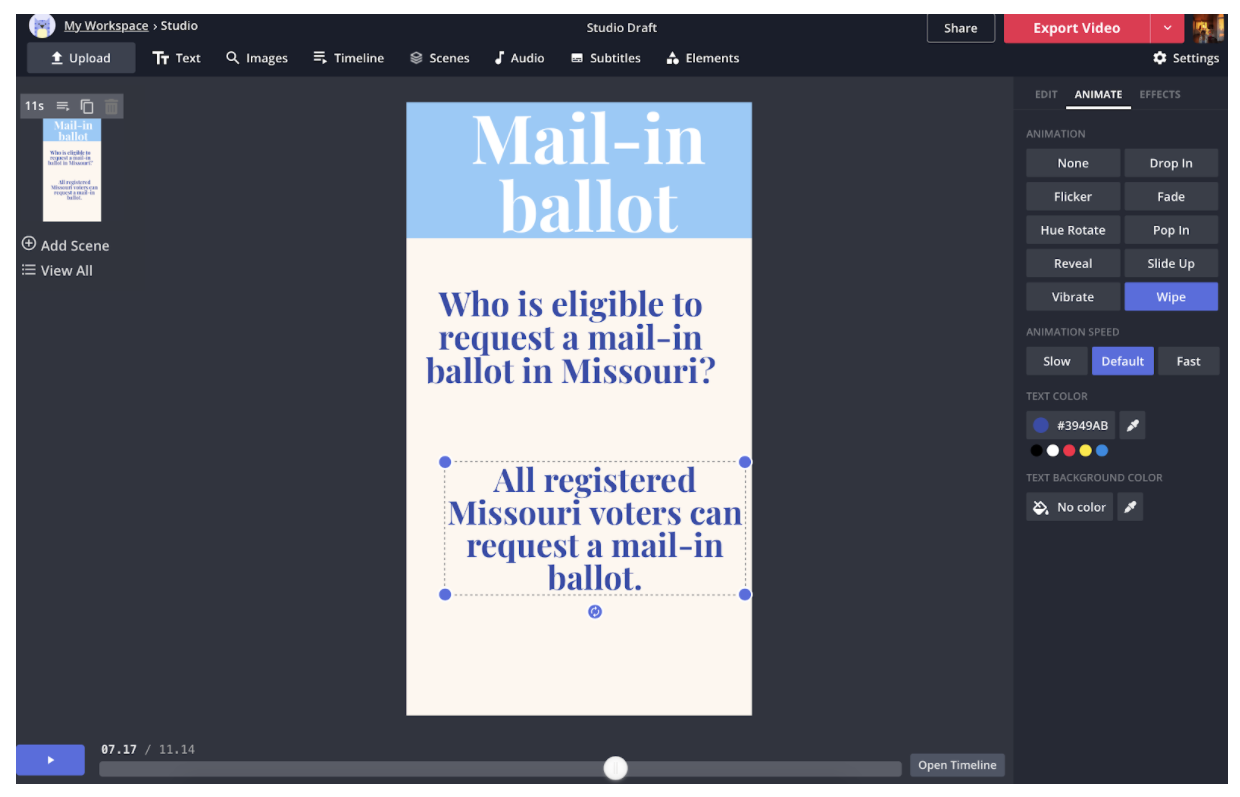
Kapwing: Tips and tricks
This month I tested Kapwing Studio, a free online editing tool where users can make videos and GIFs with original news content for social platforms. Overall, my experience with Kapwing was positive. I set out to utilize Kapwing’s tools to create factual guide videos for Missouri voters for RJI’s social feeds. I experimented with various features … Continued
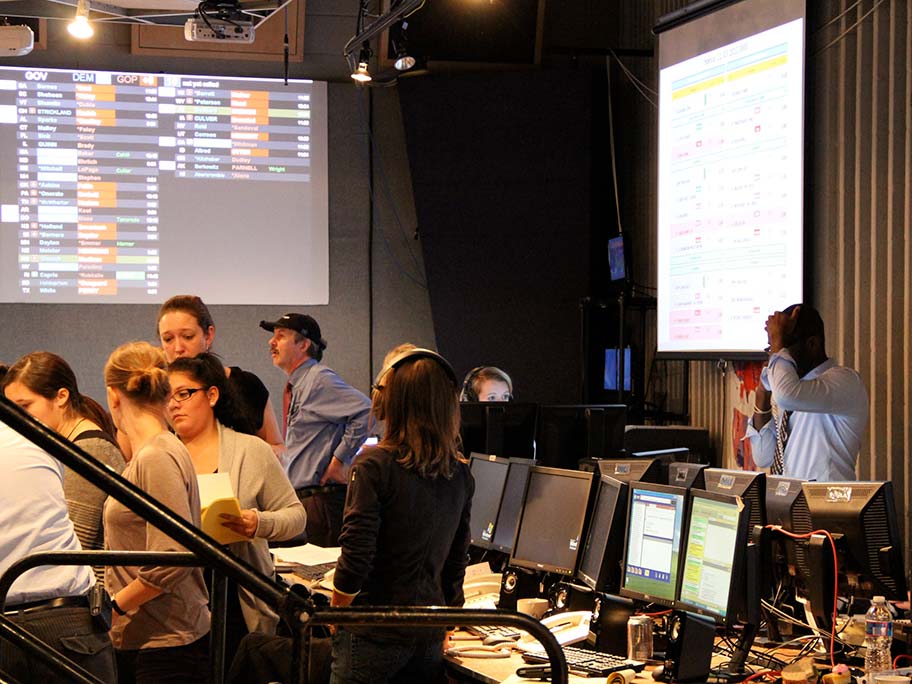
Newsroom Notes: Covering pandemic, protests provides three valuable reminders
KOMU News is the nation’s only teaching laboratory inside a commercial, network-affiliated TV station. The challenges are no different from other newsrooms—just layered on top of the challenges facing the next generation of journalists. We’re providing a first-hand view (and maybe a little advice) from an industry veteran who agreed to lead the KOMU Newsroom during a faculty search process—just as the COVID-19 crisis began unfolding.
The why of source diversity and inclusive storytelling
Last year, I wrote a feature story for The Hechinger Report about the obstacles students of color face when trying to get into graduate school. I interviewed Black, Asian and Latino students, professors and education experts. When I wrote about the prevalence of skin cancer in Black and Latinos, I used real people and expert sources of color.
Lean into using your phone: Q&A with Sarah Singer
Sarah Singer is the senior director of innovation at Vice. I spoke to her about how Vice cultivates its presence and engagement across social platforms.
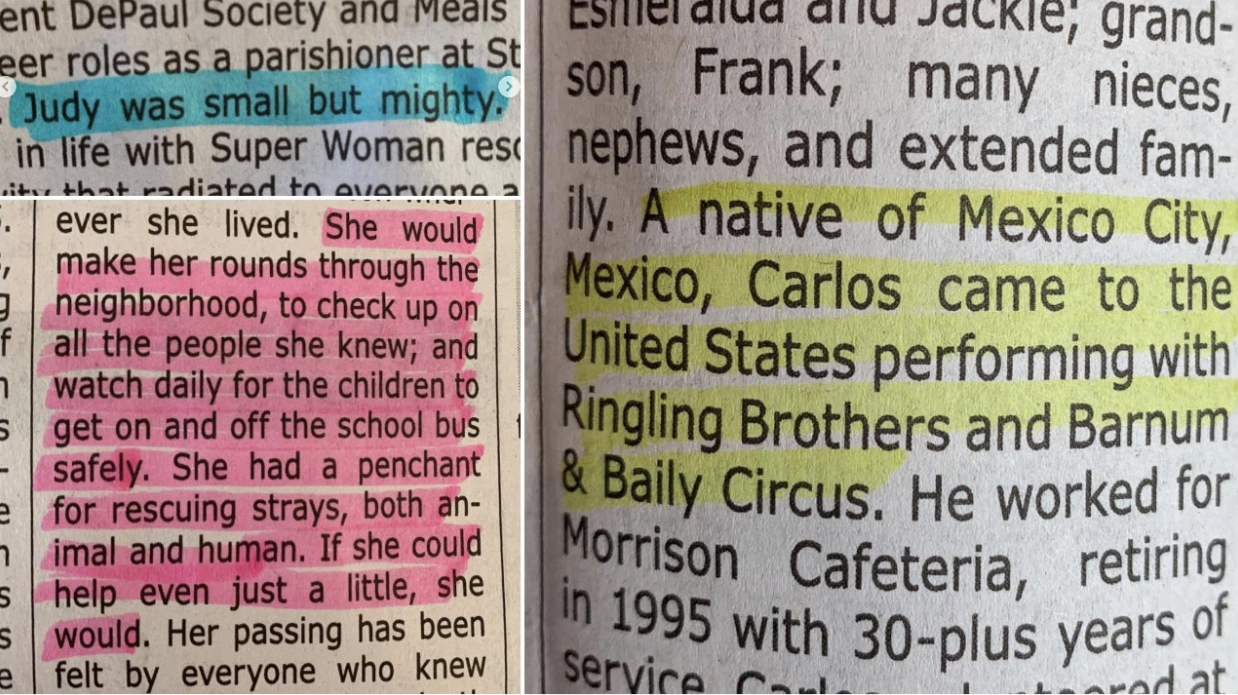
Turns out there’s a few things about obituaries that need re-thinking
Obituaries are a lot of things.
They’re a legal notice of death. They’re the story of a life. They’re a tool for grieving. And they’re a business.
In taking on one kind of obituary – the story – for this fellowship, I constantly bump into all the other forms.
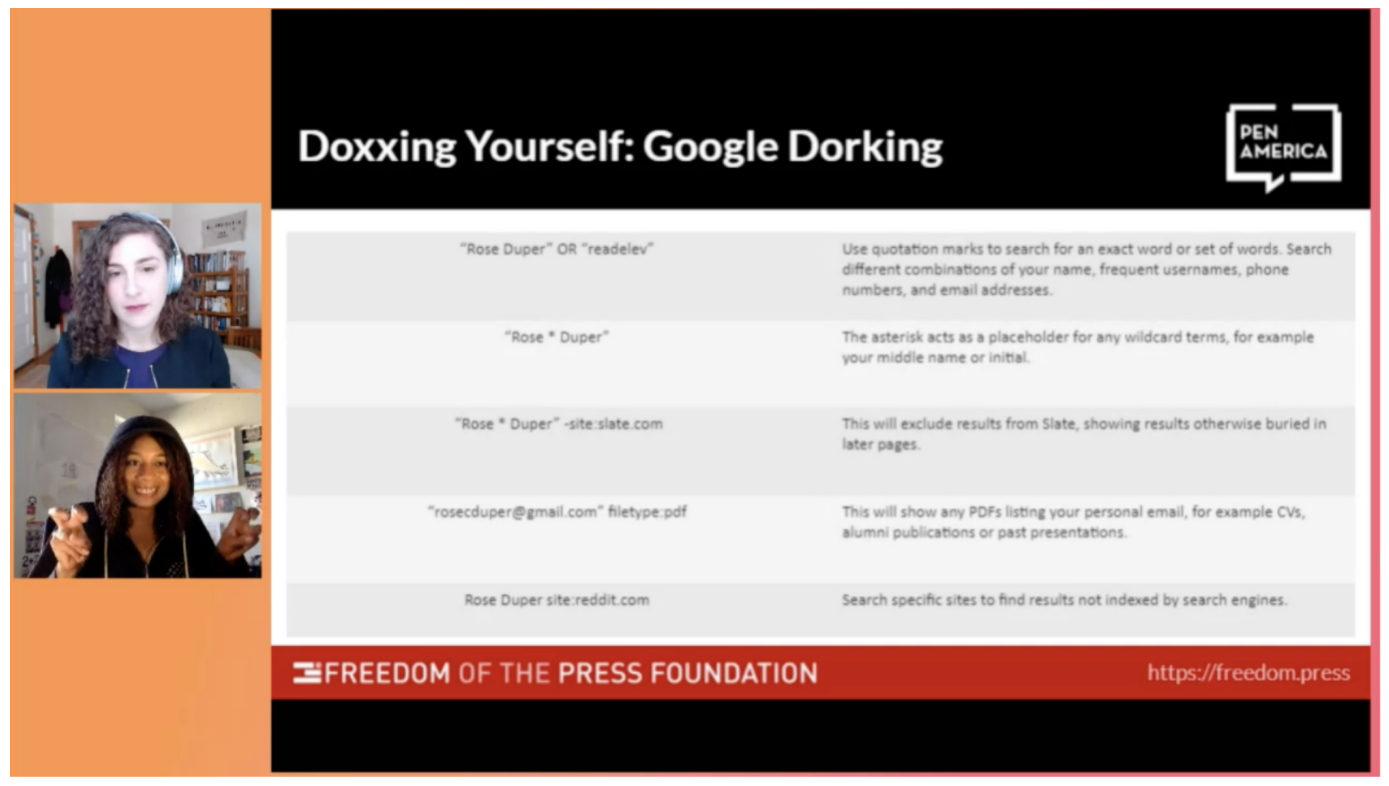
Bolster your digital safety: An anti-hacking, anti-doxxing workshop
Journalists in all newsrooms, especially women, LGTBQ+ and BIPOC, are dealing with unprecedented levels of online abuse that can take form in publishing of private information, impersonations, hacking and more. In the ONA session, “Bolster Your Digital Safety: An Anti-Hacking, Anti-Doxxing Workshop,” Viktorya Vilk, program director for Digital Safety and Free Expression, PEN America and … Continued