
A stack of newspapers. Nov. 21, 2007. Photo: Daniel R. Blume | CC BY-SA 2.0
Building values-driven infrastructure as a newsroom model


A collaborative approach to the technology, support and resources journalists need to hold power accountable
More journalists are working outside institutional newsrooms in the industry today, and that means they are also working without many of the systems that make critical reporting sustainable.
Accountability reporting is often among the hardest work to sustain. It requires time to develop sources, file public records requests, organize documents, verify information, go through editorial review and think through legal and safety risks.
Yet accountability is also the work journalism cannot afford to lose as resources are harder to come by. Holding power to account is at the heart of journalism’s public purpose.
Without the support of a newsroom, independent journalists often have little choice but to rely on systems that were not built around the values of journalism or the needs of journalists holding powerful people and institutions accountable. Many turn to social media and for-profit publishing companies to house and distribute their work. Journalists need to reach audiences where they are, but they should not have to depend on third party companies to maintain their reporting operations. For journalists doing accountability reporting, being deplatformed can mean losing years of work, an audience or both, overnight.
At the same time, working outside an institution means limited access to the tools and resources a traditional newsroom provides, such as editorial mentorship, legal help and the recognition of a masthead.
We think journalism needs another option.
In partnership with the Reynolds Journalism Institute, we are building Open Desk Network, a journalist-run cooperative with free to use technology. The goal is to create shared infrastructure that gives independent journalists more control over how they work and protect their reporting and data.
At its core, Open Desk Network will provide a shared back desk for accountability and investigative reporting. Journalists will retain ownership of their work, bylines and domains while accessing collectively maintained tools and support. The first version will focus on collaborative and journalism community tools, such as organizing reporting workflows, tracking public records and FOIA requests, managing documents and planning for legal and safety risks. From there, we plan to build toward a shared publishing layer that allows journalists to publish independently while using the cooperative’s infrastructure.
Building useful products requires listening closely. Our needs survey is an important part of that process. What we hear from journalists will help us determine which problems to solve first, which tools are most useful and how the platform should evolve as we build and test it. We expect our assumptions to change.
If you are an independent journalist, creator journalist or community reporter doing accountability or investigative reporting, we want to hear from you. Take the needs survey at bit.ly/opendesknetwork, or reach out at opendesknetwork@gmail.com.
Why we’re building this now
We call ourselves values-driven technologists. Collaboration, service, integrity and independence guide our work. They shape how we build, how we make decisions and how we think about who should control the tools journalists depend on. We believe the infrastructure behind journalism to reflect the same principles we expect from journalism itself.
We are building this because we have lived this problem and because we have seen the stress test that happens when the newsroom gets smaller.
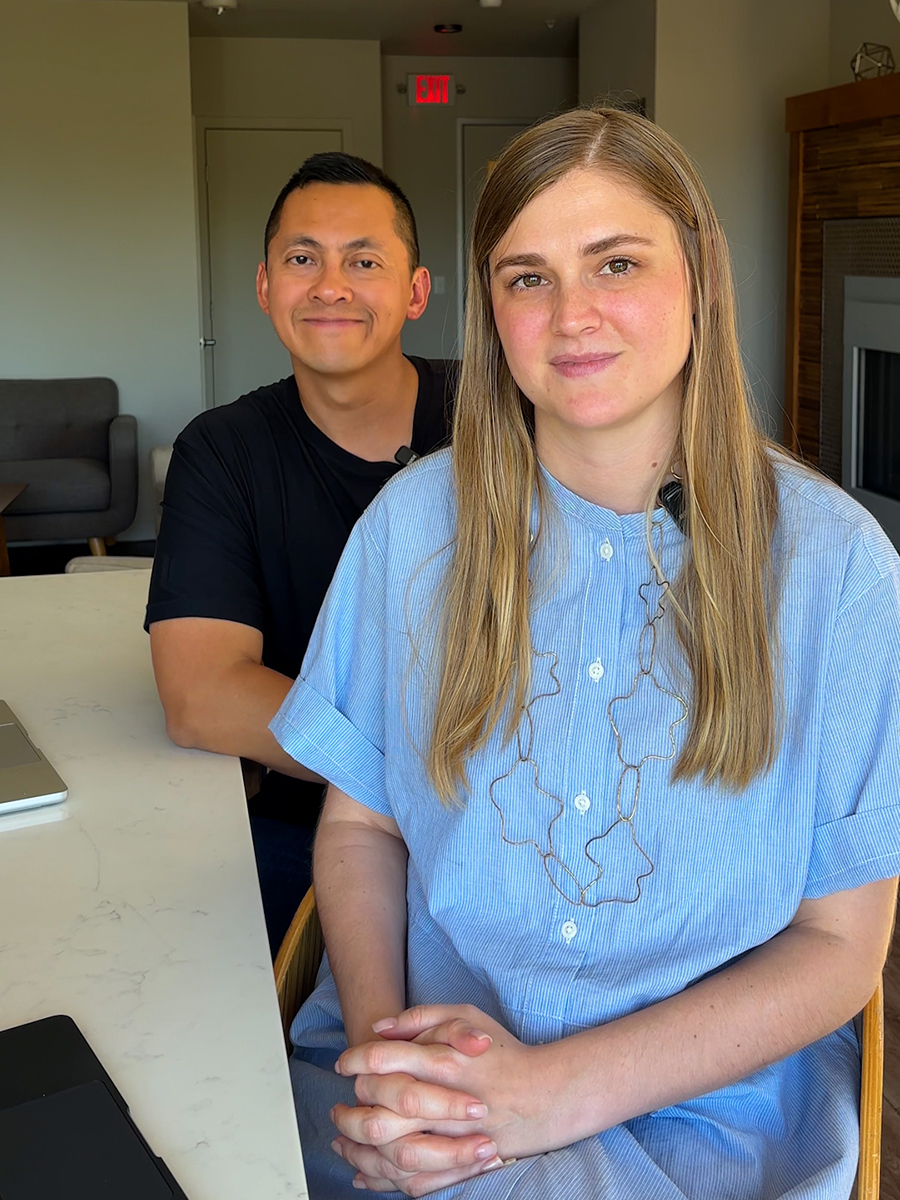
Earlier in Margaux’s career, she provided digital training to journalists in places where governments offered little support for journalism training or actively worked against a free press, including Mongolia and Albania. Many of those journalists were doing important work with very little support, making independent digital tools and resources essential to their work.
Later, through digital transformation work with local newsrooms, she saw newsrooms make difficult choices about where to put their limited resources. She has watched shrinking staffs and budgets force newsrooms to make increasingly difficult decisions about what work they can take on. She also saw colleagues leave traditional newsrooms and become independent journalists without the backing those organizations once provided.
Arya has seen a similar need through his work in documentary filmmaking and with video creators. Independent creators can tell stories with remarkable reach and impact, build direct relationships with audiences and pursue storytelling that might not fit within a traditional newsroom.
Together, we have watched the relationship between journalism, institutions and communities change. More people are finding and building their own sources of information, while traditional institutions are facing a deepening trust gap. We see an opportunity for institutions to learn from independent journalists and creators who are taking new approaches and building different types of relationships with the communities they serve.
They can operate closer to their communities and respond more directly to what communities need. The traditional newsroom model has provided enormous value to journalism, but it is not the only model for supporting and growing journalists. Open Desk Network asks what happens when the infrastructure of a newsroom becomes something journalists can share, govern and build together.