Search Results for results
RJI-DPA fall 2010 iPad survey results
The Reynolds Journalism Institute (RJI) is conducting a multi-year research project to understand how Apple iPad users consume news content. The initial phase was a cross-sectional survey with 20 questions conducted online from September 6 through November 30, 2010. The RJI plans to conduct at least one follow-up panel survey and another cross-sectional survey in … Continued
RJI-DPA fall 2010 iPad survey results
The Reynolds Journalism Institute (RJI) is conducting a multi-year research project to understand how Apple iPad users consume news content. The initial phase was a cross-sectional survey with 20 questions conducted online from September 6 through November 30, 2010. The RJI plans to conduct at least one follow-up panel survey and another cross-sectional survey in … Continued

RJI Student Innovation Fellows unveil tools and strategies for community newsrooms in public webinar
Contact: Kat Duncan, duncank@rjionline.org This summer, four international master’s students at the Missouri School of Journalism each spent 12 weeks stationed in a community newsroom, where they helped bring to life everything from new audience engagement strategies to data visualizations and automated information tracking. As the newest cohort of Student Innovation Fellows from the School’s … Continued
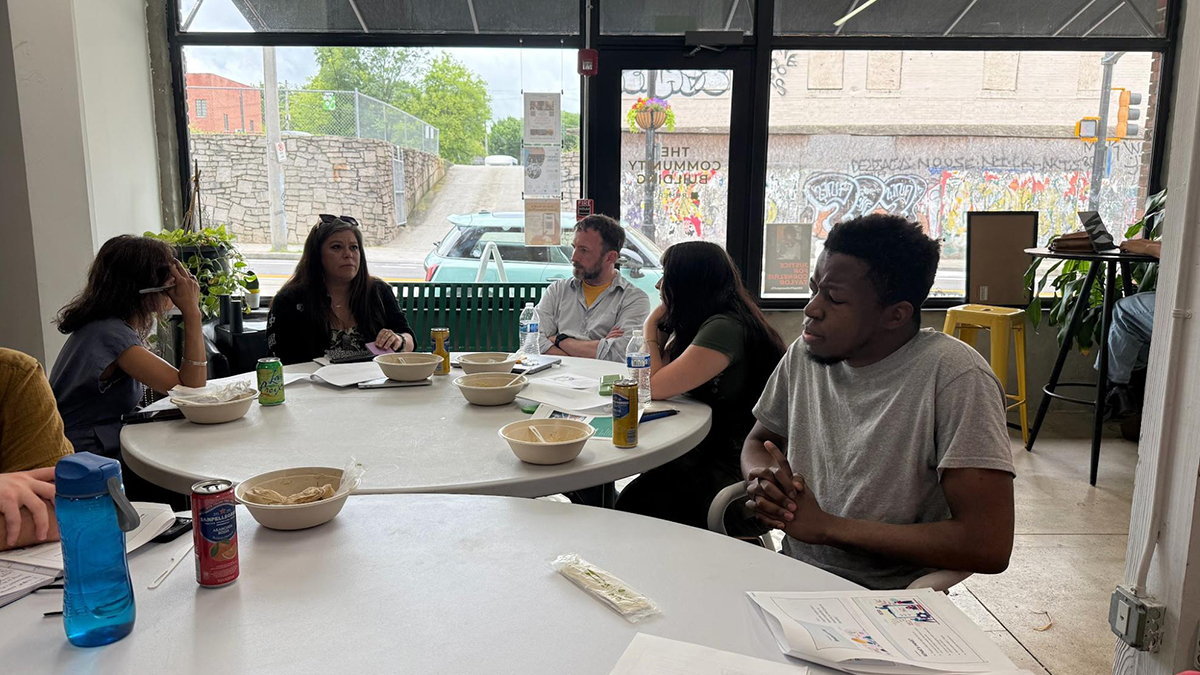
Building a civic information hub
Civic Strata: A shared foundation for data, documents and community reporting/
![Executive Director of the Columbia Missourian Elizabeth Stephens [left] and Innovation in Focus Editor Eden Dinneen [right] create the Missourian’s first ad campaigns together with Google Ad Grants.](https://rjionline.org/wp-content/uploads/sites/2/2026/08/iif26081105.jpg)
Testing Google Ads Grant program to grow local audiences
Exploring how free search advertising may increase readership and newsletter subscriptions
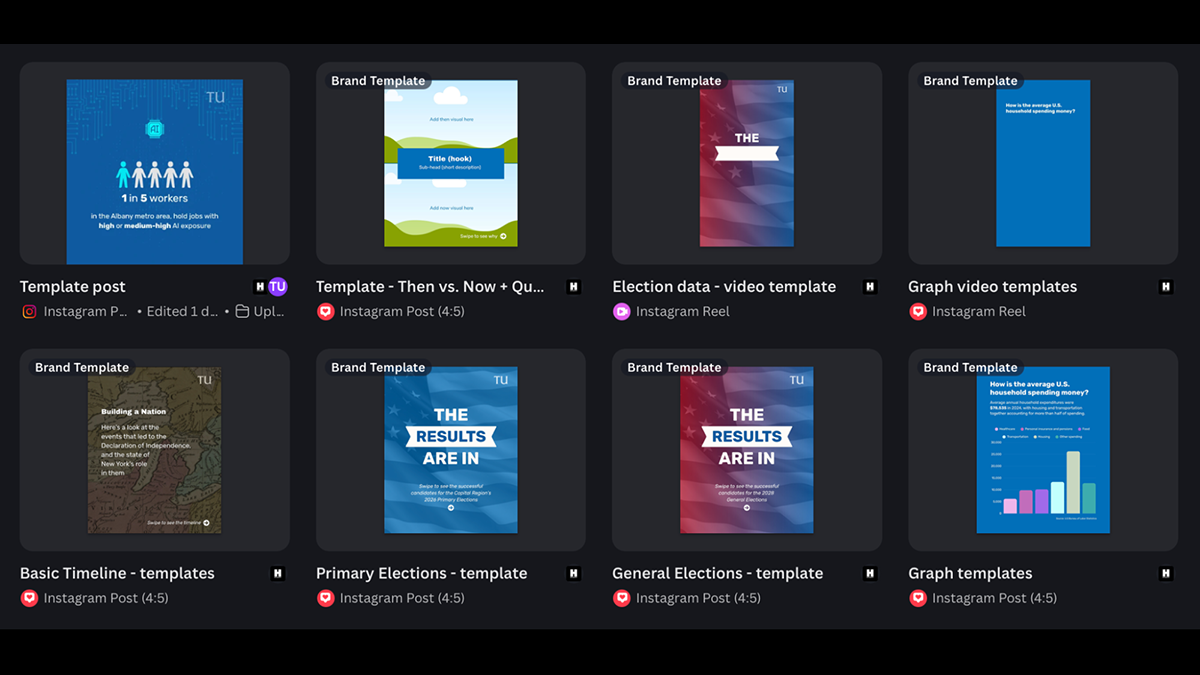
How to build social-first data visualizations
Communicating key data and information to your audience through visuals.
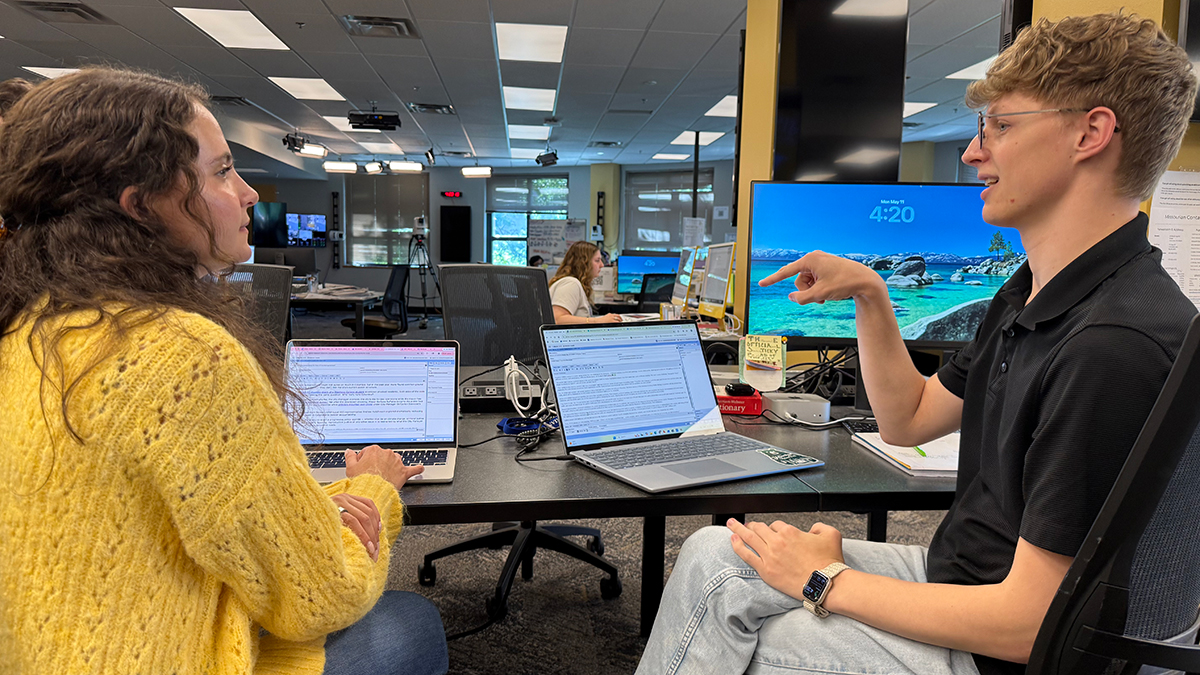
How editing sessions with writers can strengthen your newsroom
Research-backed tutoring techniques you might already be using.
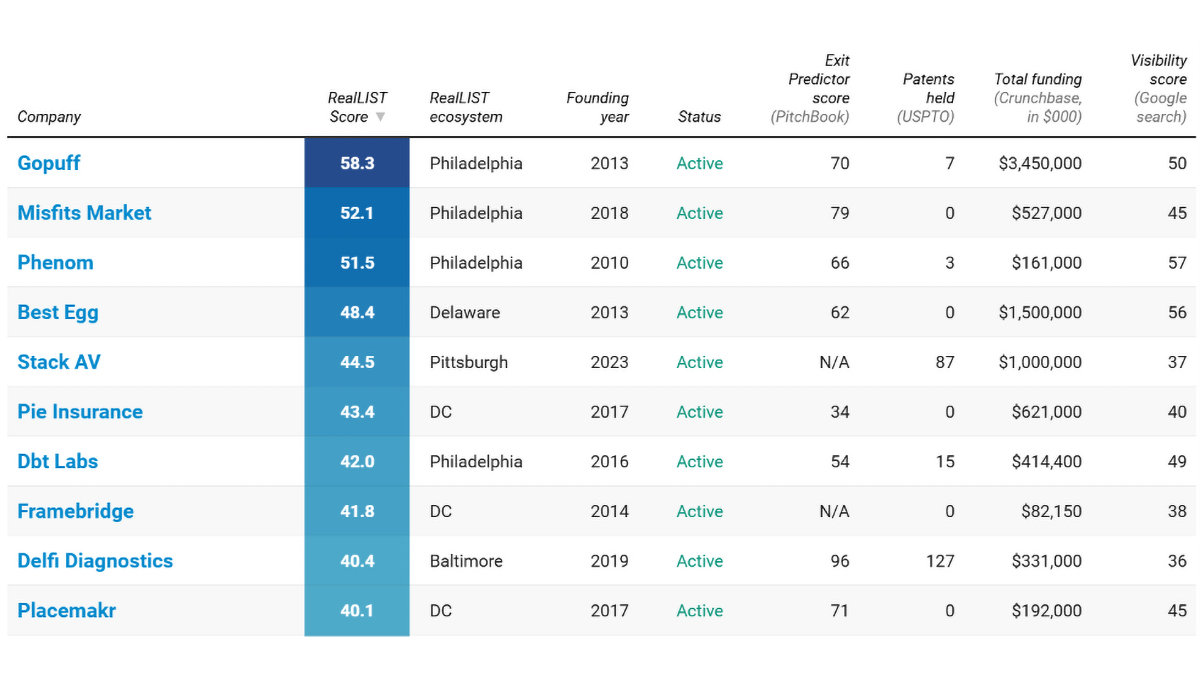
Google Colab for data tracking and automation
Tips for data cleaning, set up and using APIs.
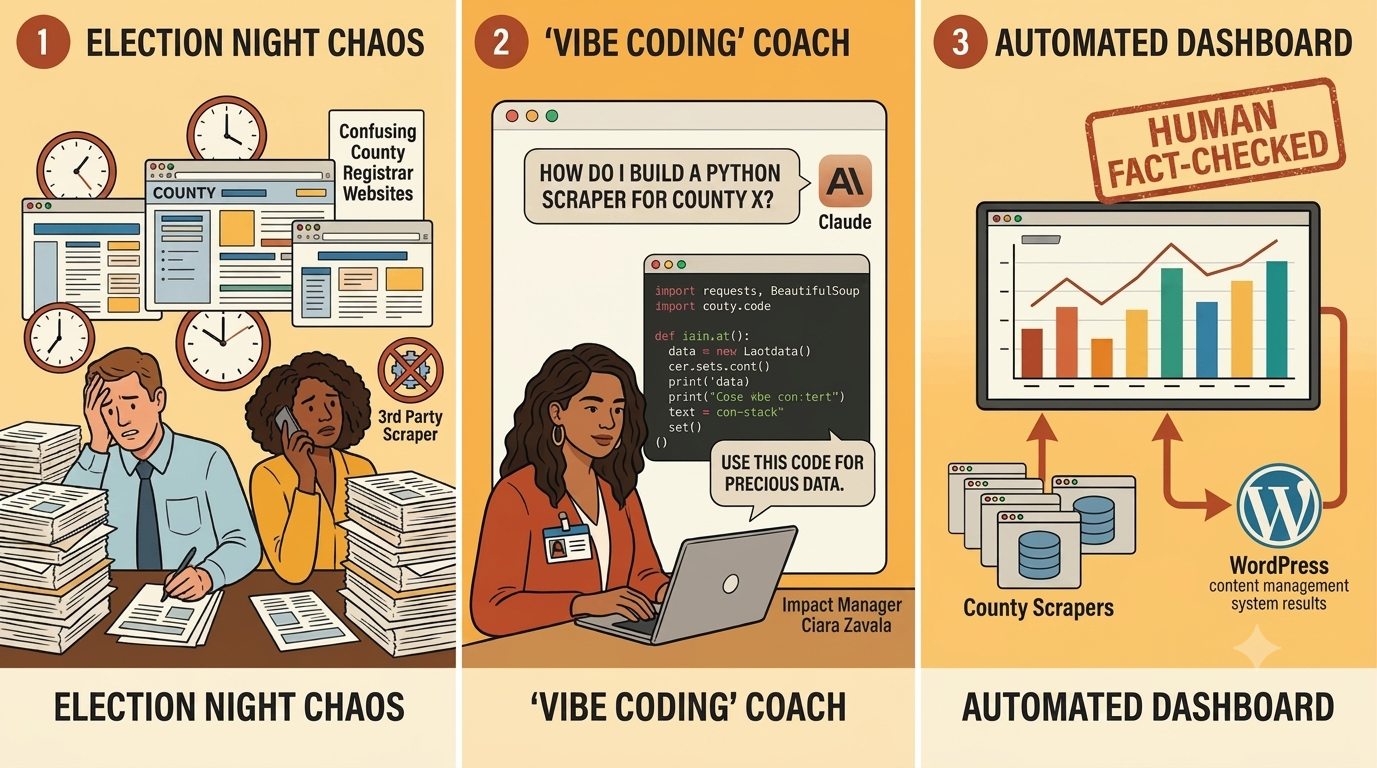
Bay City News Election Playbook, Part 2: Newsrooms can vibe code their way to automated election night dashboard
Election night is a high-stakes, labor-intensive operation — and not just for the candidates. As voters wait for returns, community journalists fight an uphill battle to make sense of data released in disparate formats from different sources. But a breakthrough experiment at Bay City News provides a new blueprint for success. By leveraging generative artificial … Continued
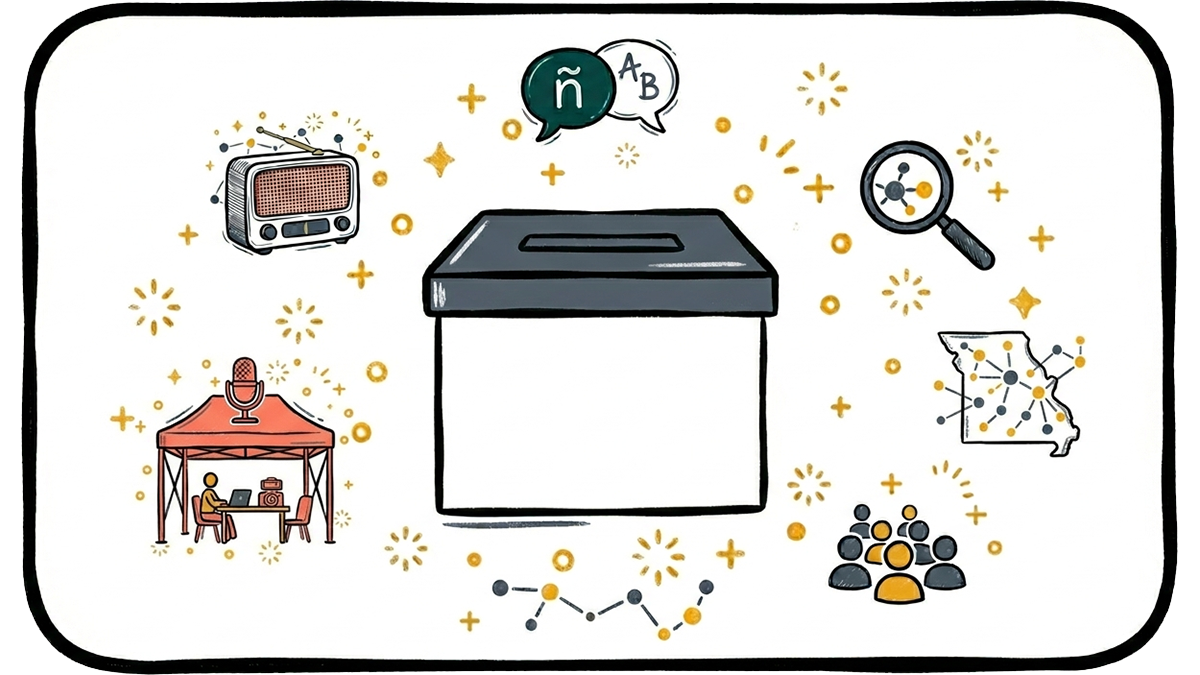
Free tools, big impact: RJI’s resources for election coverage
The Reynolds Journalism Institute has spent the last several years building a library of free, practical resources designed specifically for newsrooms.