
Engagement

Test, test, test! Designing a data-driven newsletter
The greatest barrier to being data-driven isn’t capacity or expertise, but discipline. Third in a series to help newsrooms curate effective newsletters.

The Trump-O-Meter: PolitiFact today begins tracking 102 promises made by Donald Trump
Editor’s note: This story originally appeared on the website for PolitiFact, which has a 2016-2017 RJI Fellowship at the Donald W. Reynolds Journalism Institute. Executive Director Aaron Sharockman is the project leader for the fellowship.

The Ann Friedman Weekly: How one freelance journalist created a massively successful newsletter
Second in a series to help newsrooms curate effective newsletters. Newsrooms can no longer afford to distribute poorly curated newsletters. Yet executives from many modern newsrooms say they lack the financial and staff capacity to do otherwise.

Why send a newsletter at all?
E-newsletters have become a primary engagement, dissemination and revenue-generating tool for modern newsrooms. With benefits ranging from reader loyalty to audience insights to new revenue, it’s easy to see why. What’s harder to see is the “why not,” though it’s equally important. Email used to be a method for filtering the internet. Far from the … Continued

Coming 2017: the Trump-O-Meter
Editor’s note: PolitiFact has a 2016-2017 RJI Fellowship at the Donald W. Reynolds Journalism Institute. Executive Director Aaron Sharockman is the project leader for the fellowship. This blog is reposted from politifact.com.

Hyperlocal: The promise of entrepreneurial journalism
Dutch graduate students visited four U.S. journalism startups between December 2015 and February 2016 to observe how these entrepreneurs “make it work” and, in the process, redefine what it means to be a journalist. Their work is part of Beyond Journalism, a study of entrepreneurial journalism by 2015-2016 RJI Fellows Tamara Witschge and Mark Deuze, both journalism professors in the Netherlands.

The Common Reader: A quirky corner on the internet
Dutch graduate students visited four U.S. journalism startups between December 2015 and February 2016 to observe how these entrepreneurs “make it work” and, in the process, redefine what it means to be a journalist. Their work is part of Beyond Journalism, a study of entrepreneurial journalism by 2015-2016 RJI Fellows Tamara Witschge and Mark Deuze, both journalism professors in the Netherlands.
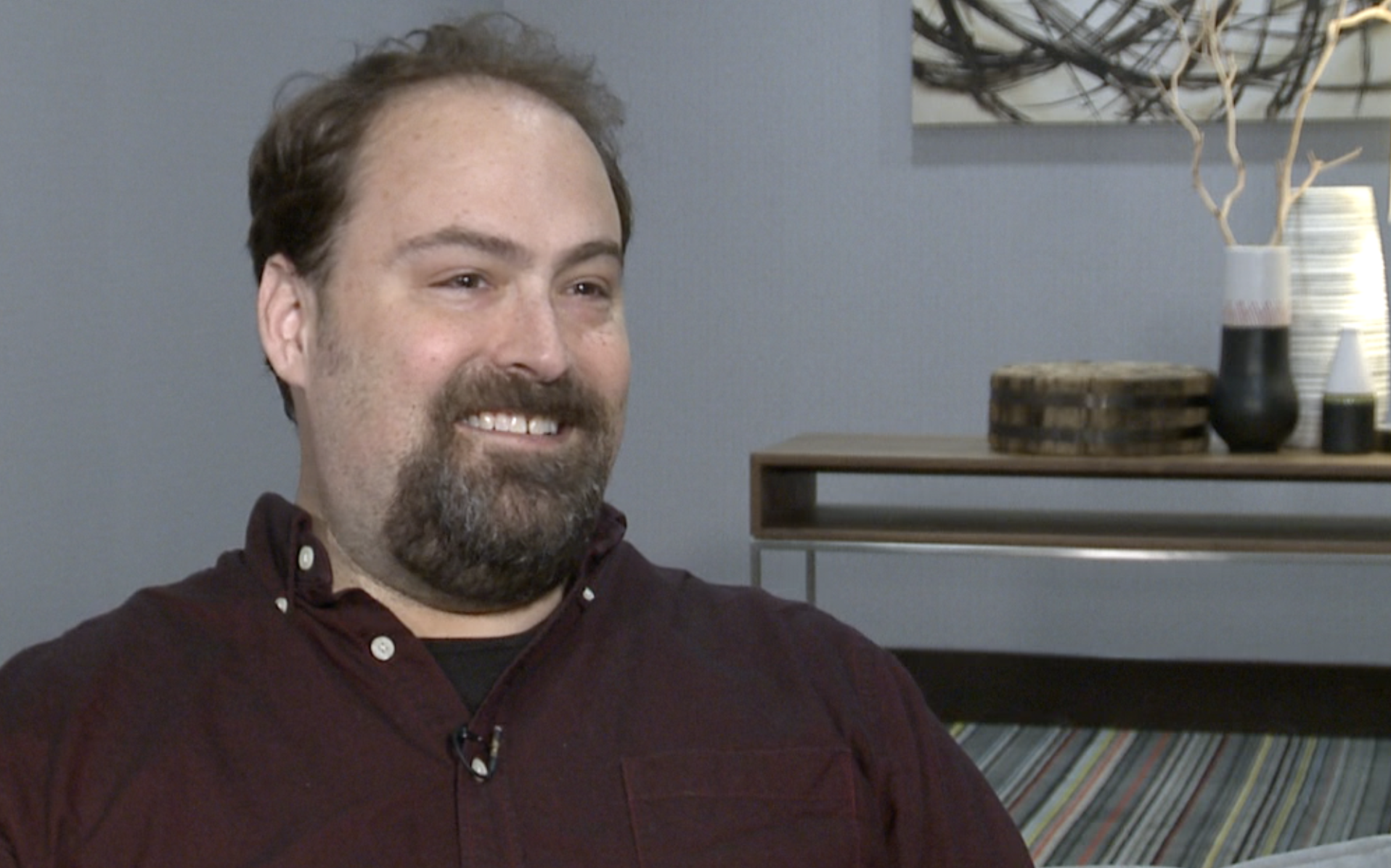
Q&A with Andy Carvin: Building core values and a tight-knit team at Reported.ly
Andy Carvin was founder and editor of Reported.ly, a social media news operation that shut down Aug. 31, 2016, after its parent company, First Look Media, cut funding. In this edited transcript of our interview for the RJI Futures Lab update, Carvin explains Reported.ly’s core values and what made his team unique. He also talks … Continued

FL#170: Lessons from Reported.ly
Lessons from Reported.ly For 20 months, Reported.ly adopted a grassroots approach to telling stories by sourcing from social media to get perspectives from people around the world. But on Aug. 31, Reported.ly was shuttered after its parent company, First Look Media, pulled its funding. We spoke with Reported.ly founder and editor Andy Carvin about what … Continued
FL#169: Building a 360 toolkit
Building a 360-degree toolkit Journalists are routinely using virtual reality and 360 video to put viewers in places they wouldn’t otherwise be. But for smaller newsrooms with modest budgets, 360-degree video can seem out of reach. Shaheryar Popalzai, a Knight International Journalism Fellow, says building a 360 video toolkit is easier and cheaper than you … Continued