RJI Fellowships

RJI Fellow’s ongoing e-newsletter personalization experiment yields surprising results
Tracy Clark, a 2015-2016 RJI Fellow, believes newspapers with editor-selected email newsletters would have better engagement rates if the content were personalized to each user’s interest. She is in the midst of a pilot study with a large U.S. newspaper, which is simultaneously publishing two email newsletters: one includes editor-selected news content, the other features reader-selected stories. The personalized newsletters are based on Clark’s Reportory platform. This is a progress report.
The student-innovator: Thinking beyond classes to creating supports for student entrepreneurs
I taught my first “media entrepreneurship” class in 2001, nearly 15 years ago. It was the first time I’d introduced these concepts into my college’s journalism education program. My goal was to not only introduce new content management technologies (FrontPage and Dreamweaver at the time), but to help students utilize the deep skills in writing, audio, … Continued
RJI Fellowship team will use technology to bring more citizens, journalists into the council chamber
As newsrooms shrink in size, so does the amount of meeting coverage, says Mike Wheeler, a member of an RJI Fellowship team working to make meeting deliberations more accessible and “on demand” to journalists and citizens. He is a managing partner for Westerly Partners. Local government transparency is crucial to a community’s well-being, he says. … Continued
How do we engage news consumers in the digital world?
If you operate a nonprofit newsroom, email appeals have likely become an essential fundraising tool. Yet while recommendations for how to grow your mailing lists are readily available, it’s much harder to find good information about retaining subscribers and engaging them as active community members. As a result, many successful efforts to gain subscribers are … Continued
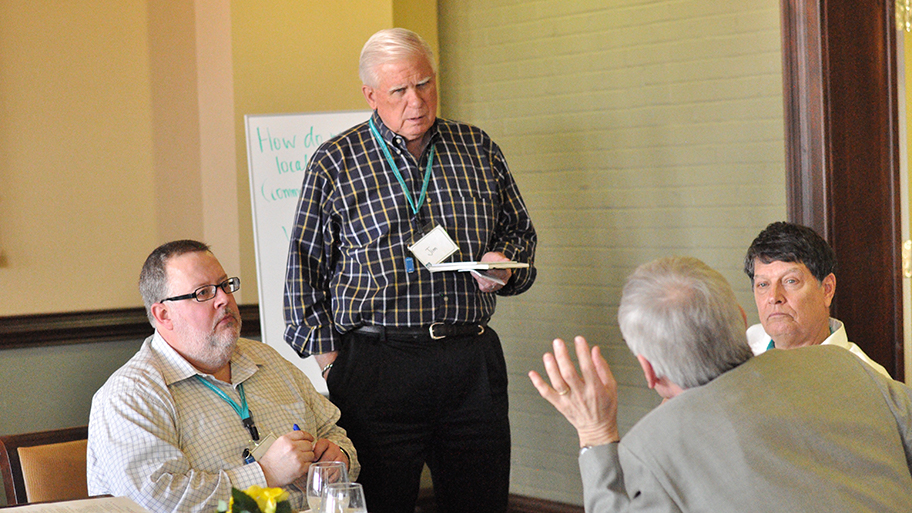
The path to college starts with just one caring person
Can you remember being very young and wondering what you’d be when you grew up? My first goals were to be a cowboy, then maybe a fireman. A little later I upgraded to wanting to be the second baseman for the Detroit Tigers. These were all fine for kids. But as many of us grew … Continued
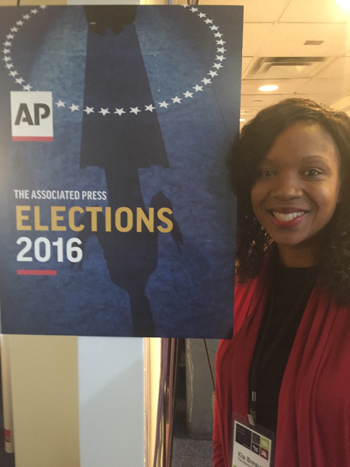
AP’s Kia Breaux passionate about helping young people pursue college dreams
“I am the end result of the Talk Story, Write Story program’s mission,” said Kia Breaux, Midwest Regional Director of The Associated Press based in her hometown of Kansas City. “I certainly could have benefited from this program, and I know many others who could have as well.” She offered her remarks during a day-long … Continued
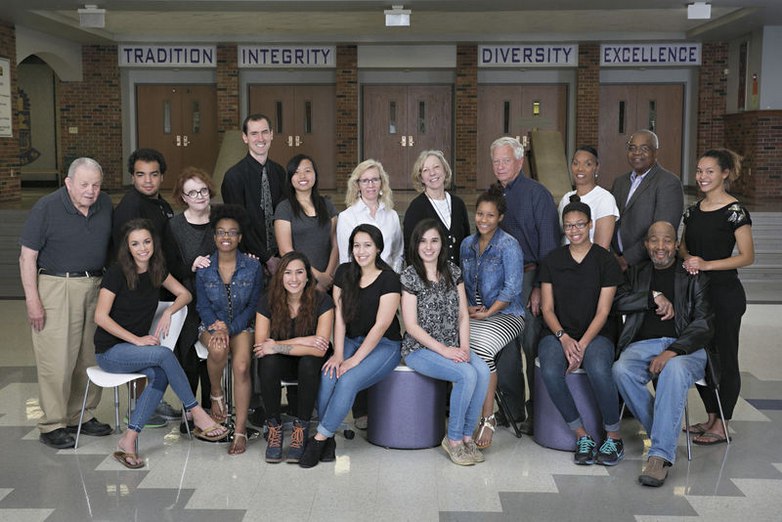
Talk Story, Write Story demonstration project is a success story
I used my Donald W. Reynolds Journalism Institute fellowship this year to test my hunch that trained volunteers could successfully help financially challenged high school students write their way into college scholarships. If my theory was correct, others could do what I had loved doing, mostly alone, for nearly two decades. My Talk Story, Write … Continued

RJI Fellow to create pipeline of ‘deputies’ in pursuit of news coverage of Alabama communities
One unseasonably warm weekend this past February, I found myself chatting about transportation spending deep in the bowels of a dark, loud motorcycle club headquarters in a warehouse on Birmingham, Alabama’s gritty west side. We were eagerly waiting for the latest Vikings recruits to be doused in water and beer as an initiation into the … Continued

Does structured journalism work? Evaluating the feasibility of structure for consumers and reporters
Does the traditional news article still make sense as the primary unit of news in the age of the Internet and smartphone? That was the question I asked in my first blog post as an RJI Fellow in July 2015. My fellowship has focused on evaluating a proposed alternative unit of news: the structured story, … Continued
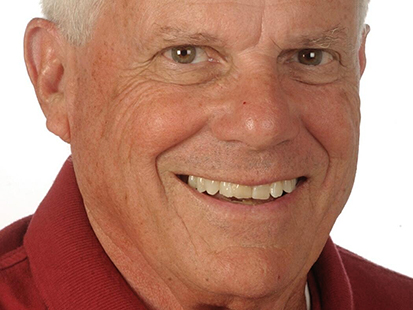
Tad’s tender trap
Originally published on The Columbia Daily Tribune website Tad Bartimus has a way of getting you tangled up in her universe. You say “yes” to some little request, and next thing you know you are helping to save the world. I first met Tad when she was an undergraduate J-School student at Mizzou and I … Continued