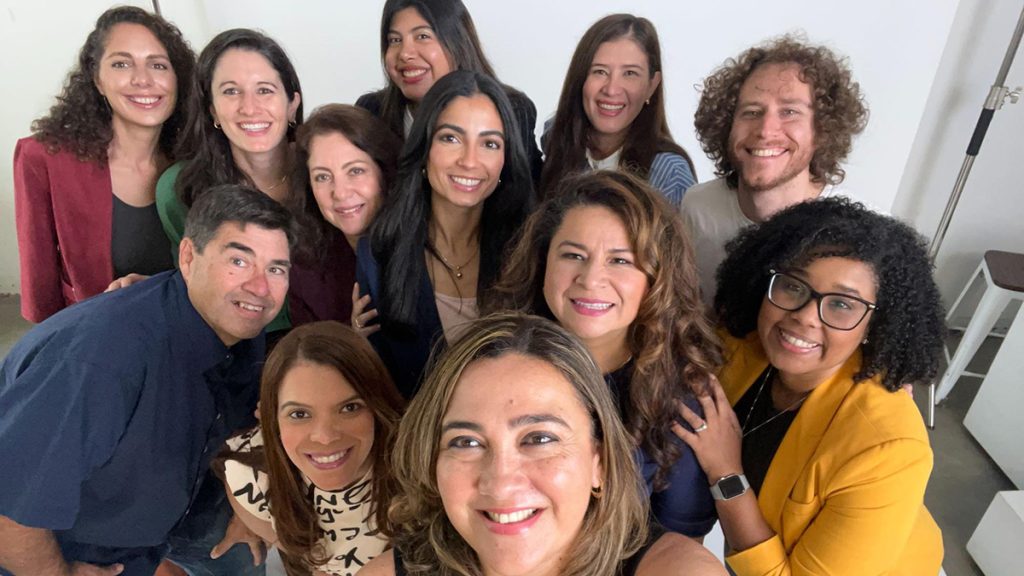
Enlace Latino NC team lead by Paola Jaramillo at the front. Image by Enlace Latino NC
Not invisible: How Enlace Latino NC tells the stories others miss

Five questions with Paola Jaramillo
To understand Enlace Latino NC, it helps to know Paola Jaramillo. She is a Colombian journalist who has lived in Raleigh, North Carolina, for over 15 years. After working in traditional media, she wanted to focus on issues that matter most to the immigrant communities in her state. In September 2018, she and Walter Gómez started Enlace Latino NC with a small grant from the Democracy Foundation.
What began with just two people has grown into a team of 13. They work to close information gaps and support the community with service journalism for daily life.
Five questions with Paola Jaramillo of Enlace Latino NC
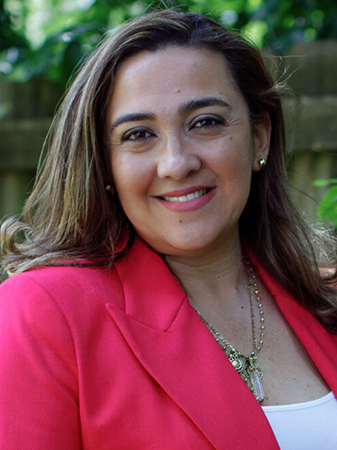
I talked with Jaramillo about the challenges and vision behind this project, and she shared what it’s like to do journalism from within the community.
Yaujar-Amaro: As immigrant journalists serving other immigrants, how does your own experience shape your decisions and the way you handle sensitive topics?
Jaramillo: The fact that we are part of the same community we cover already gives us prior experience in our DNA, allowing us to provide more sensitive, careful coverage. We have already identified how far we can go to protect someone. It allows us to build more trust because, in the end, we are part of the same community. If someone asks where there is a food bank or how to go to the doctor, you already know because you live there. Those experiences enrich the work because we see it with perspectives that another journalist, logically, could not see.
Yaujar-Amaro: Much of your work involves guides and practical resources. Why focus on service journalism?
Jaramillo: A journalist from the New York Times once told me: ‘While we work to change laws, you at Enlace Latino work to help change the day-to-day life of people who cannot wait.’ That kind of information helps people integrate more easily and solve immediate problems. It is key and fundamental because it is what helps you live better. It is not that other information does not matter, but we help to make the community’s daily life easier through information.
Yaujar-Amaro: National outlets often cover migration only as crisis news. How do you make your coverage more personal and connected to people’s lives?
Jaramillo: Basically, what we do is try to be where the people are and cover what is happening to them. For the national media, what happens to a family in my neighborhood that has been here for 30 years is irrelevant, but for us, it is relevant because it is the example of millions of our families. Our job is to build those bridges and give voice to those neighborhood stories, supermarkets, and Latino businesses that go unnoticed. While others come only when there is an emergency and then leave, we always stay because here there are family separations and fear every day; we are not invisible.
Yaujar-Amaro: What have you learned from listening to your audience on WhatsApp and during community sessions?
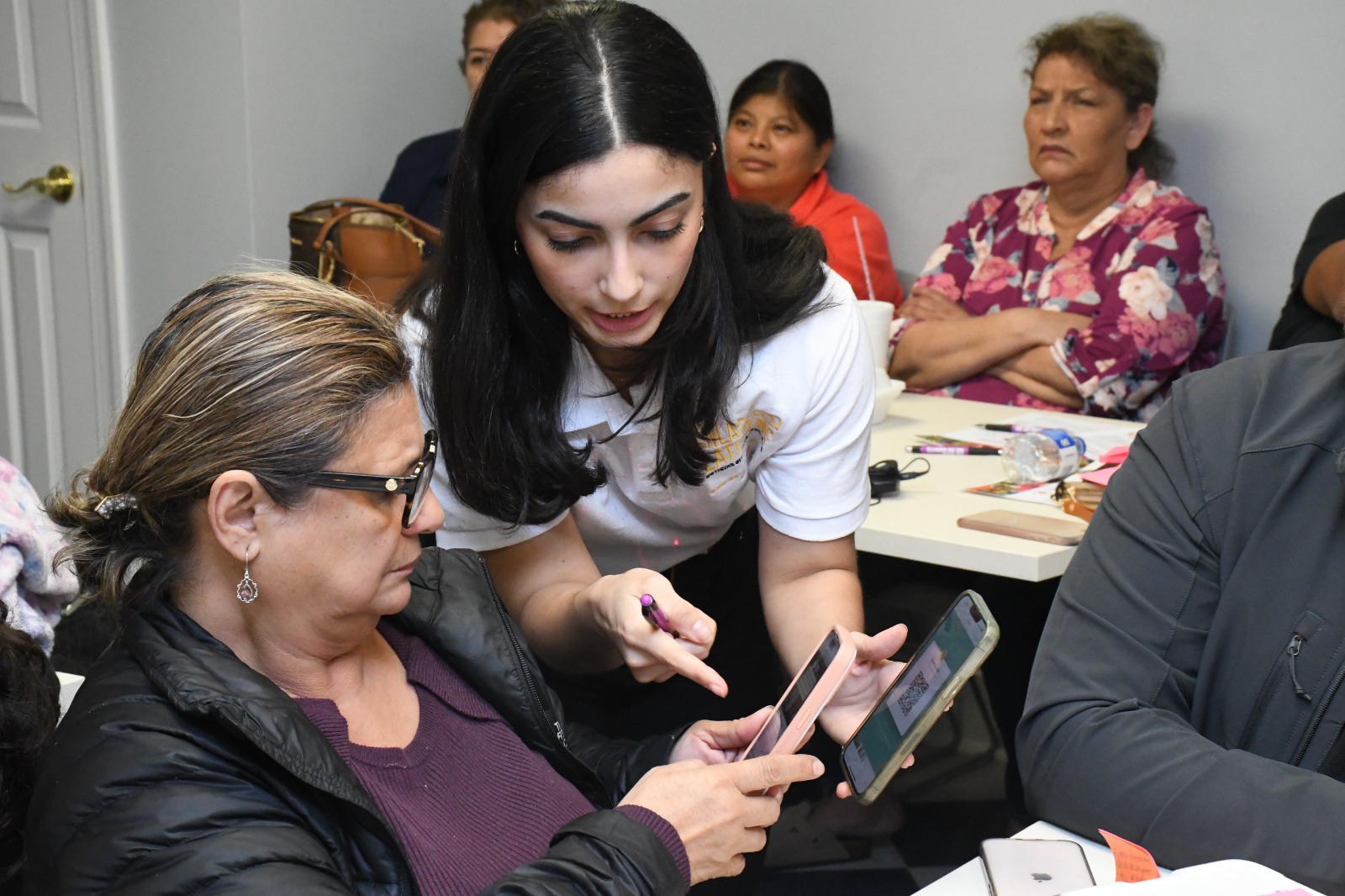
Jaramillo: We have learned that, although we are all Latino, we have different questions depending on region or nationality. On WhatsApp, it is different; there you are the priest, the doctor, the lawyer, the babysitter… they ask you about everything. For example, I was very surprised that one of our most successful pieces in the immigration guide was about what to do with your pet if you are deported. That teaches us how diverse we are and gives us tools to produce information that responds to what people are really expressing.
Yaujar-Amaro: How do you protect undocumented people who trust you to share their stories?
Jaramillo: It is a very big responsibility. For example, many of our articles do not have photos or videos to avoid risk, or we use photos from behind, of hands, or of details. We are careful not to give too many biographical details, such as age or exact town, to avoid exposing people. We also protect information internally; we do not store compromising names in our phones or tag people on Facebook as ‘undocumented father.’ The journalist is not your friend; that is why we must be careful with what people tell us and not assume anything, always asking before publishing something that could harm them.
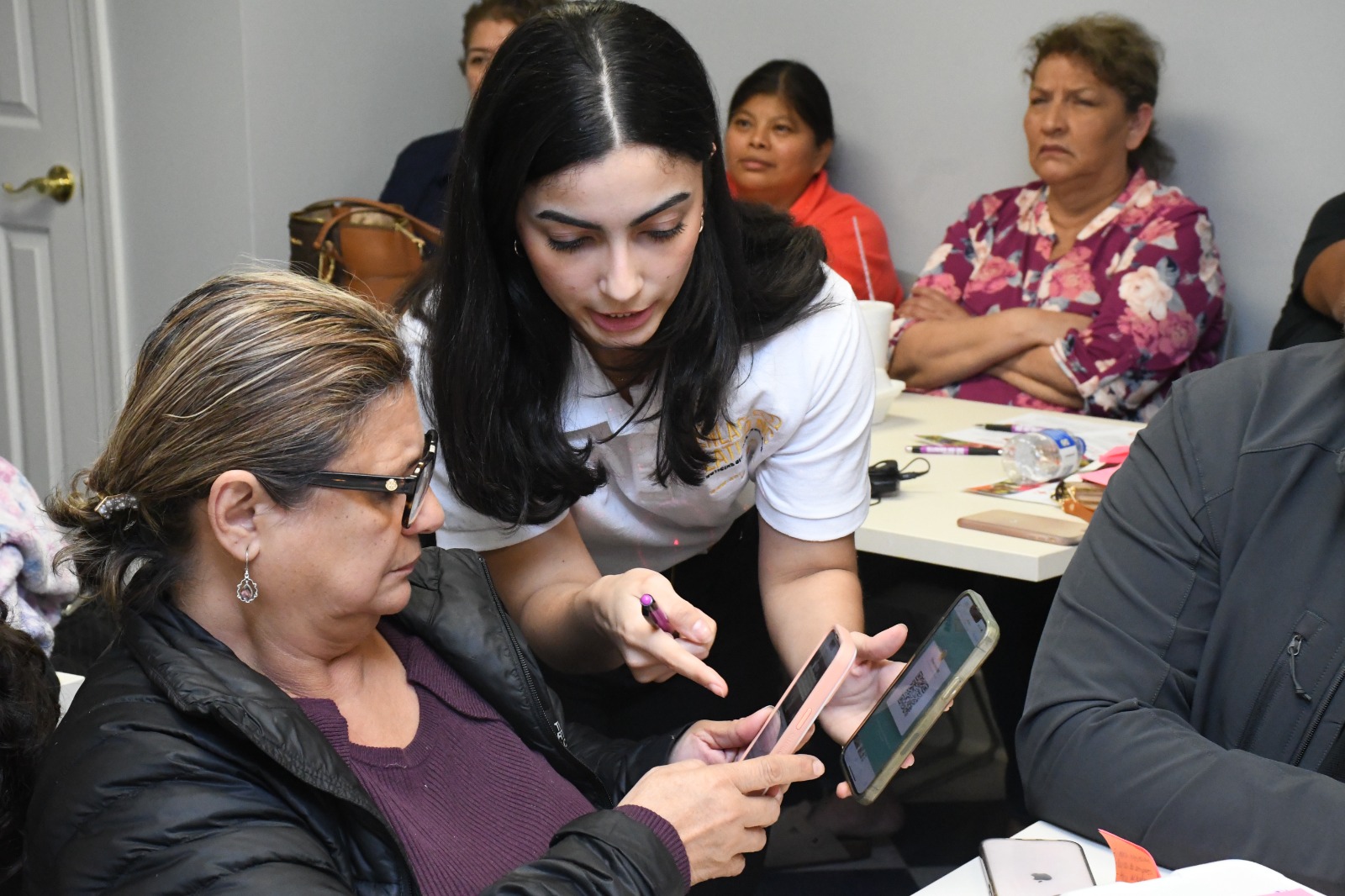
The Importance of community journalism
Outlets like Enlace Latino NC do more than share news. They help immigrants take part in civic life, find services, and avoid misinformation in their own language. By creating these spaces, they strengthen social ties and give a voice to groups often overlooked by traditional journalism.
As Jaramillo says, we are all part of the same community, pay the same taxes, and face the same challenges. That’s why outlets that build trust and offer practical tools are essential — not just for Latinos in North Carolina, but for improving the news ecosystem across the United States.
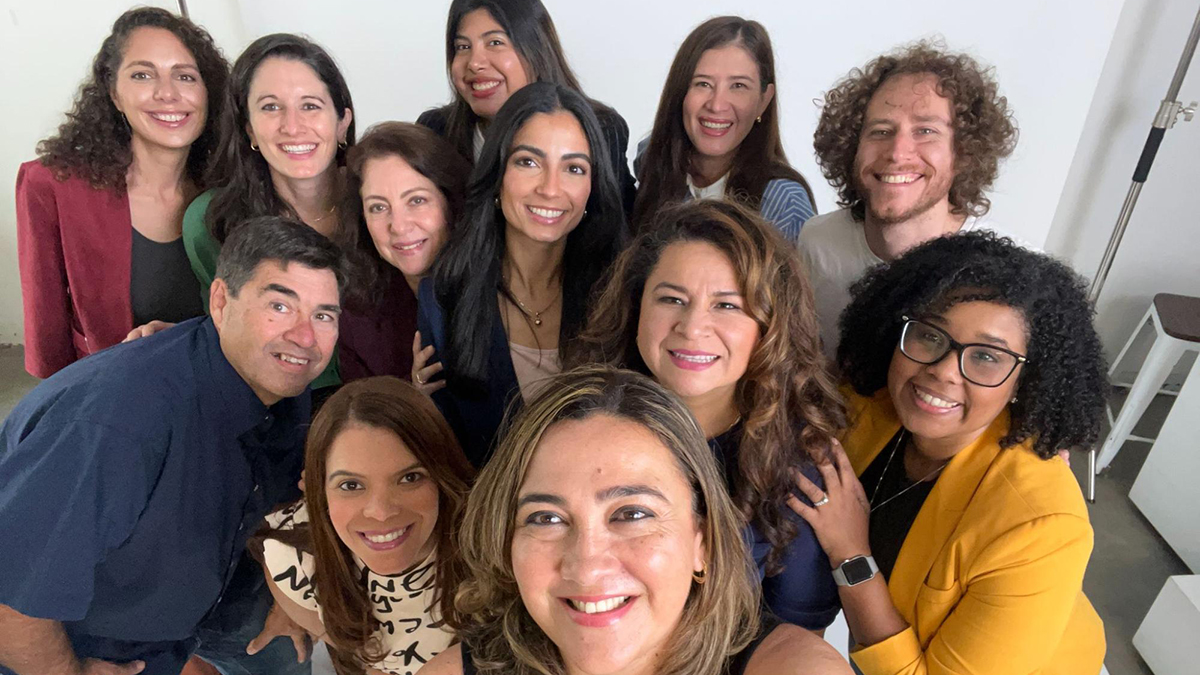
No invisibles: Cómo Enlace Latino NC cuenta las historias que otros pasan por alto
Para entender el trabajo de Enlace Latino NC, primero hay que conocer a Paola Jaramillo. Ella es una periodista colombiana que ha vivido más de 15 años en Raleigh, Carolina del Norte. Después de muchos años en medios tradicionales, decidió que era momento de cubrir lo que realmente le importa a la comunidad inmigrante de su estado. Junto a Walter Gómez, fundó este medio en septiembre de 2018 con una beca de la Democracy Foundation.
Lo que comenzó con dos personas ahora es un equipo de 13 que trabaja para llenar esos vacíos informativos con un periodismo de servicio que apoya a la comunidad en su vida diaria.
Cinco preguntas con Paola Jaramillo de Enlace Latino NC
Conversamos con Paola sobre los retos y la visión de este proyecto. Aquí, en sus propias palabras, nos explica cómo es hacer periodismo desde dentro de la comunidad:
Yaujar-Amaro: Ustedes son periodistas inmigrantes sirviendo a inmigrantes. ¿Cómo influye esa experiencia de vida en sus decisiones y en cómo tratan temas tan sensibles?
Jaramillo: El hecho de que nosotros hagamos parte de la misma comunidad que cubrimos nos da ya una experiencia previa en nuestro ADN, lo que nos permite hacer coberturas más sensibles y con más cuidado. Ya hemos identificado hasta dónde podemos llegar para proteger a alguien. Nos permite crear más lazos de confianza porque finalmente somos parte de la misma comunidad. Si alguien pregunta dónde hay un banco de comida o cómo ir al médico, uno ya lo sabe porque uno ya lo ha vivido y ha tenido que ir. Esas experiencias enriquecen el trabajo porque lo vemos con perspectivas que otro periodista, lógicamente, no podría ver.
Yaujar-Amaro: Gran parte de su trabajo son guías y recursos prácticos. ¿Por qué apostar por el periodismo de servicio?
Jaramillo: Una periodista del New York Times me dijo una vez: ‘Mientras nosotros trabajamos para cambiar leyes, ustedes en Enlace Latino trabajan para ayudar a cambiar el día a día de la gente que no puede esperar’.’ Ese tipo de información sirve para integrarse más fácilmente y resolver problemas que son inmediatos. Es clave y fundamental porque es lo que te ayuda a vivir mejor. No es que la otra información no importe, pero nosotros ayudamos a facilitar, a través de la información, el diario vivir de la comunidad.
Yaujar-Amaro: El tema de migración en los medios nacionales suele ser solo noticias de crisis. ¿Cómo hacen ustedes para que esta cobertura sea más humana y cercana?
Jaramillo: Básicamente, lo que hacemos es tratar de estar donde la gente está y cubrir lo que a la gente le pasa. Para los medios nacionales, lo que le pasa a una familia de mi vecindario que lleva 30 años aquí no tiene relevancia, pero para nosotros sí, porque es el ejemplo de millones de familias nuestras. Nuestro trabajo es crear esos puentes y dar voz a esas historias de vecindarios, supermercados y negocios latinos que pasan desapercibidas. Mientras los demás vienen solo en la urgencia y luego se van, nosotros nos quedamos siempre porque aquí hay separaciones familiares y miedo todos los días; nosotros no somos invisibles.
Yaujar-Amaro: ¿Qué han aprendido al escuchar a su audiencia a través de WhatsApp y sus sesiones comunitarias?
Jaramillo: Hemos aprendido que, aunque todos somos latinos, somos totalmente diferentes y tenemos dudas distintas dependiendo de la región o nacionalidad. En WhatsApp es distinto; ahí tú eres el sacerdote, el doctor, el abogado, el niñero… te preguntan de todo. Por ejemplo, me sorprendió mucho que una de nuestras notas más exitosas en la guía de inmigración fuera sobre qué hacer con la mascota si te deportan. Eso nos enseña cuán diversos somos y nos da herramientas para producir información que responda a lo que la gente realmente está manifestando.
Yaujar-Amaro: ¿Cómo protegen a las personas indocumentadas que confían en ustedes para contar su historia?
Jaramillo: Es una responsabilidad muy grande. Por ejemplo, muchos de nuestros artículos no tienen fotos ni videos para evitar riesgos o usamos fotos de espaldas, de manos o de detalles. Cuidamos de no dar demasiados detalles biográficos como la edad o el pueblo exacto para no exponer a la gente. También protegemos la información internamente; no guardamos nombres comprometedores en los celulares ni etiquetamos a las personas en Facebook como ‘padre indocumentado’. El periodista no es tu amigo; por eso, nosotros debemos ser cuidadosos con lo que la gente nos cuenta y no asumir nada, siempre preguntar antes de publicar algo que pueda perjudicarlos.
La importancia del periodismo comunitario
Medios como Enlace Latino NC no son solo fuentes de noticias. Son conectores clave que ayudan a los inmigrantes a participar en la vida cívica, acceder a servicios y protegerse de la desinformación en su propio idioma. Al crear estos espacios de visibilidad, se fortalece la cohesión social y se da poder a grupos que el periodismo tradicional suele dejar de lado.
Como dice Jaramillo, todos somos parte de la misma comunidad, pagamos los mismos impuestos y enfrentamos los mismos desafíos. Por eso, tener medios que generen confianza y ofrezcan herramientas prácticas es fundamental, no solo para los latinos en Carolina del Norte, sino también para mejorar el ecosistema de noticias en todo Estados Unidos.
Cite this article
Yaujar-Amaro, Claudia (2026, Jan. 19). Not invisible: How Enlace Latino NC tells the stories others miss. Reynolds Journalism Institute. Retrieved from: https://rjionline.org/news/not-invisible-how-enlace-latino-nc-tells-the-stories-others-miss/