
Tag: Randy Picht

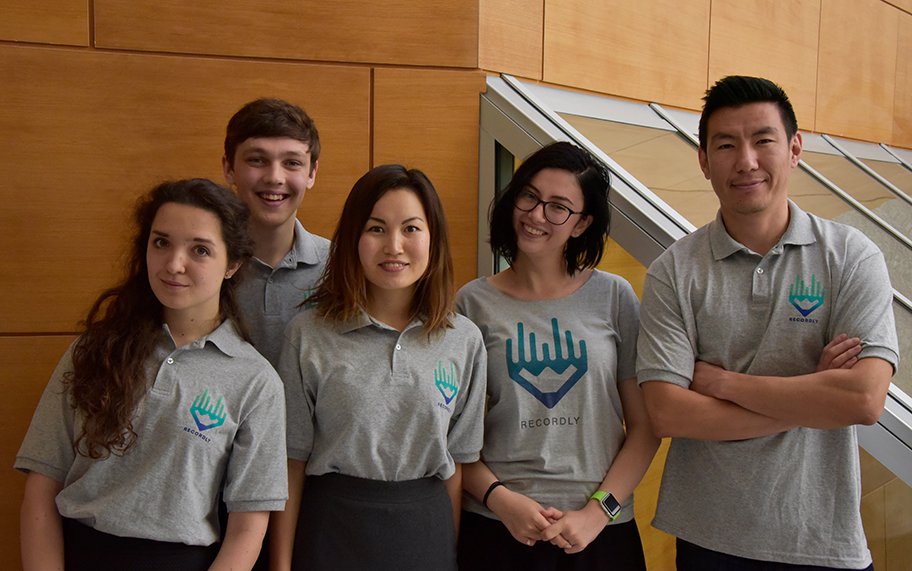
Four teams tap AI in 10th annual RJI Student Competition
Students taking part in the 2016-2017 RJI Student Competition at the Donald W. Reynolds Journalism Institute are harnessing artificial intelligence and machine learning technologies to develop mobile apps for journalists and citizens who engage with journalism. Four teams — Colloquy, Mind Flow, NaberFeed and Voice Veritas — will receive media, business, IT and legal mentoring … Continued

Nonresidential fellow jumpstarts his project with a visit to RJI
My fellowship project was transformed earlier this month during a three-day visit to Columbia, Missouri. The occasion was an informal convening of several of this year’s Donald W. Reynolds Journalism Institute fellows to discuss the varied projects we hope to bring to fruition over the coming months. Though it was a laid-back affair, the conversations … Continued

One more time with feeling: A new way to look at the presidential debates
With apologies to gone-viral Ken Bone, most Americans have decided who they’ll be voting for on Nov. 8. Some have already cast their vote. Therefore, this year’s three presidential debates may be more for show than substance. It’s probably also fair to say that most folks who watched the first two debates viewed the responses … Continued
RJI adds chief technology adviser
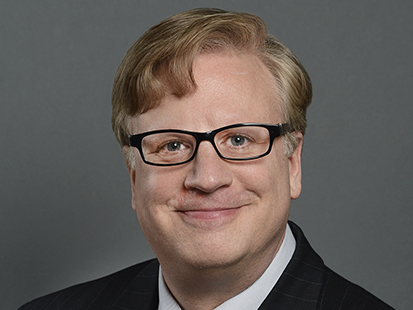
Dale Musser, a former IBM manager and an associate teaching professor in the University of Missouri College of Engineering, has joined the Donald W. Reynolds Journalism Institute as its first chief technology adviser. As RJI continues to help the journalism industry navigate today’s technological challenges and opportunities, Musser’s experience and keen insights will be an … Continued
Interviewing tool for Apple Watch wins 2016 RJI Student Competition
Technical Merit award goes to event-mapping app
Missouri high schoolers in Talk Story, Write Story offered more than $700,000 in scholarships
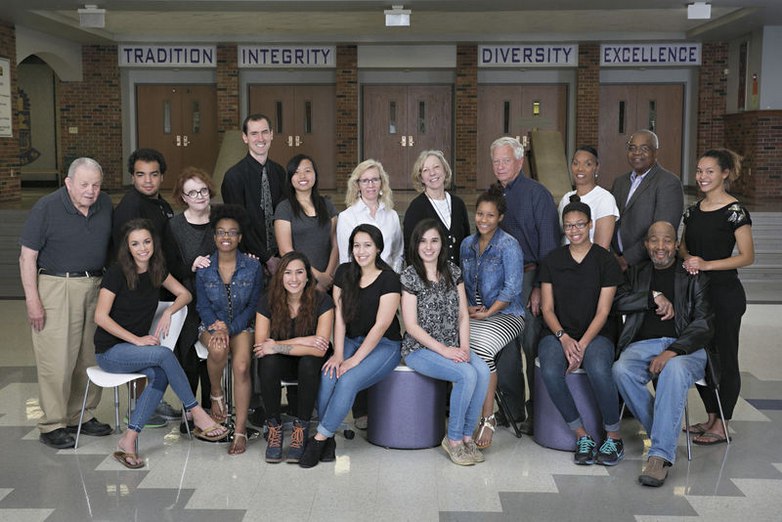
Originally published on The Columbia Daily Tribune website Leaving his wife and baby asleep, Erik Potter slipped away into autumn darkness every Monday and Friday morning to drive to Hickman High School, where an early-bird secretary buzzed him in. With just 90 minutes available in an empty conference room, Potter and senior Vy Le always … Continued

Reynolds Journalism Institute announces 10th fellowship class
Eight fellowships have been awarded for the 2016-2017 academic year by the Donald W. Reynolds Journalism Institute. The projects range from emerging technologies and watchdog journalism to community engagement and navigating new business models. This year’s RJI Fellowships were selected from 369 applicants worldwide. Each spring RJI leadership identifies journalists, technologists, entrepreneurs, business strategists and … Continued

Art in the newspaper: Love, guns and kiwis
The goal of my fellowship at the Donald W. Reynolds Journalism Institute is to explore how journalists might find new uses for and maximize the dormant advantages of analog media by “thinking like artists.” As an artist who happens be a former Associated Press reporter, I’ve thought often about ways these two professions overlap — … Continued
Community collaboration key to successful launch of Talk Story, Write Story in Missouri
Mentoring program that helps high school seniors prepare for college entrance essays is a new way to engage with community
RJI announces its 2015-2016 class of fellows
From exploring journalistic opportunities for wearable technology to helping smaller community newspapers provide digital services for advertisers, the ninth fellowship class of the Donald W. Reynolds Journalism Institute continues RJI’s commitment to nurturing and strengthening journalism’s service to citizens and their communities. This year’s residential, nonresidential and institutional fellowships were chosen from among 225 applicants … Continued