
Tag: School of Journalism

RJI Futures Lab adds new senior editor to its team
Journalist and developer James Gordon has joined the Donald W. Reynolds Journalism Institute as the new senior editor for the RJI Futures Lab. He will help RJI as it grows its technical expertise, particularly in mobile technology and artificial intelligence. Gordon will develop, test and analyze new platforms for journalism. His work will include analyzing … Continued

Potter Digital Ambassadors visit five weekly newspapers to boost outlets’ multimedia, social media
The Potter Digital Ambassadors program recently paired five college journalism students with rural Missouri newspapers to help implement multimedia and social media strategies. This was the inaugural year of the program, which is underwritten by Missouri School of Journalism alumnus and newspaper editor Walt Potter. The ambassadors, all from the Missouri School of Journalism, had … Continued

Events promote community engagement for news organizations of all sizes
Editor’s note: This article is part of a continuing series written by Missouri School of Journalism students about their senior capstone projects.

New POYI director Lynden Steele comes to RJI from St. Louis Post-Dispatch
Pulitzer Prize winner and Missouri School of Journalism alumnus Lynden Steele will be the next steward of the most prestigious photojournalism contest in the world, the Pictures of the Year International competition. Steele’s appointment, which begins Jan. 8, was announced today by Randy Picht, executive director of the Donald W. Reynolds Journalism Institute. He’ll take … Continued
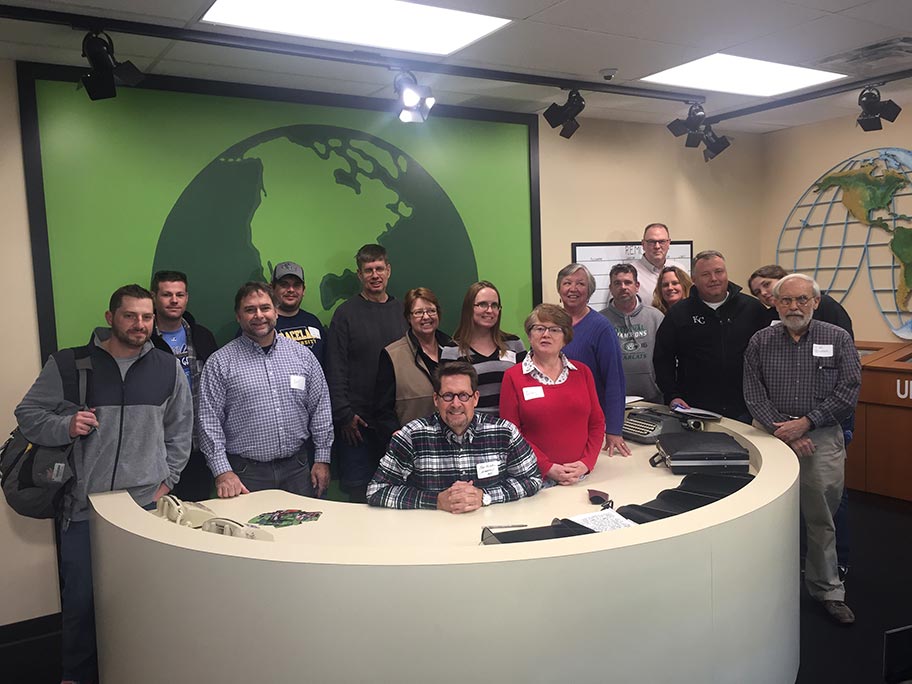
Missouri School of Journalism and MU Extension partner to deliver video expertise to journalists
Kay Foran The Missouri School of Journalism and the University of Missouri Extension recently partnered to deliver video strategies to journalists in northwest Missouri. The training was part of the School of Journalism’s ongoing outreach and service to community news organizations in Missouri and nationwide. Nearly 25 newspaper, radio and television staff members and MU … Continued

KOMU-TV uses Facebook Live to involve audience in reporting process
With Kent Collins A team at a Missouri television station has combined its investigative reporting efforts with its public affairs initiative to engage viewers in the reporting process. The main tool? Facebook Live. After reporting a story about illegal drugs found at an in-home daycare — the site of earlier child endangerment charges — the … Continued

One of five RJI Student Competition finalist teams includes Truman State participant
Five teams of students will begin work on developing technology platforms and apps to address journalism challenges for the 2018 RJI Student Competition. Working alongside one of the teams is a Truman State University student — the first non-University of Missouri student to participate in the 11-year-old competition at the Donald W. Reynolds Journalism Institute. … Continued

RJI announces spring 2018 Student Innovation Fellows
Four Missouri School of Journalism students will bring their skills and passions to Washington, D.C., and New York City newsrooms as 2018 Reynolds Journalism Institute Student Innovation Fellows.

Announcing the Fall 2018 RJI Student Innovation Fellowships
FAQ Q. What is an RJI Student Innovation Fellowship? A. The Reynolds Journalism Institute is partnering with leading news organizations to support Missouri School of Journalism students who work 30 hours per week on-site during the spring and fall semesters on new storytelling techniques, audience engagement strategies, delivery platforms, revenue opportunities and the like. Q. What … Continued

Survey: Journalists’ most urgent training needs are mobile, data and video
Respondents say they’d try bite-size lessons on their phone to learn digital skills.