
Tag: University of Missouri

Digital preservation: Why is this important to me?
Journalists are dependent upon access to back files for research and context, but those back files may no longer be there. Almost all news content created in the U.S. today is digital, but digital content is even more fragile than print and might be scattered over a variety of media and storage systems. How long … Continued
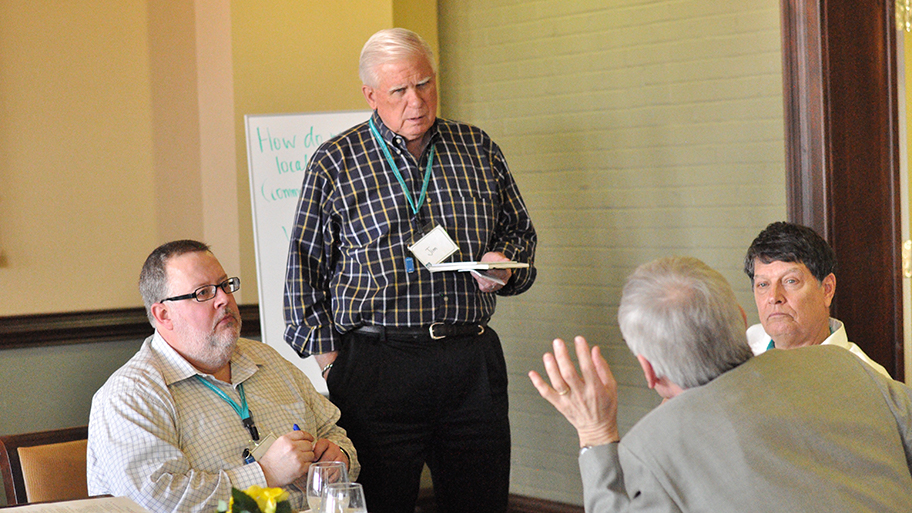
The path to college starts with just one caring person
Can you remember being very young and wondering what you’d be when you grew up? My first goals were to be a cowboy, then maybe a fireman. A little later I upgraded to wanting to be the second baseman for the Detroit Tigers. These were all fine for kids. But as many of us grew … Continued
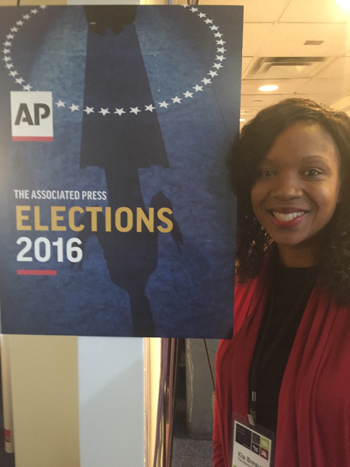
AP’s Kia Breaux passionate about helping young people pursue college dreams
“I am the end result of the Talk Story, Write Story program’s mission,” said Kia Breaux, Midwest Regional Director of The Associated Press based in her hometown of Kansas City. “I certainly could have benefited from this program, and I know many others who could have as well.” She offered her remarks during a day-long … Continued
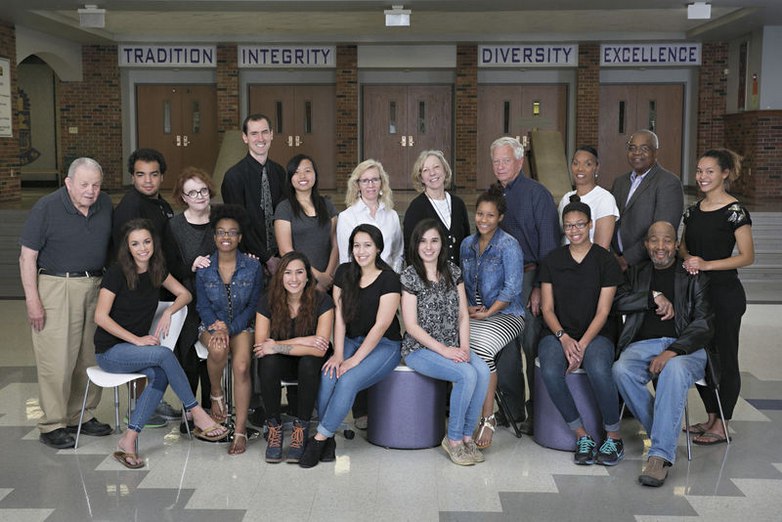
Talk Story, Write Story demonstration project is a success story
I used my Donald W. Reynolds Journalism Institute fellowship this year to test my hunch that trained volunteers could successfully help financially challenged high school students write their way into college scholarships. If my theory was correct, others could do what I had loved doing, mostly alone, for nearly two decades. My Talk Story, Write … Continued

From widescreen 3-D TV to Cardboard: The evolution of teaching VR in the classroom
No textbooks. No PowerPoints. No crib sheets from the previous class. This is teaching college? The University of Missouri School of Journalism prides itself with staying one step ahead of the news industry, but the light-speed immersion of virtual reality this year tested the system to its limits. Thanks to a talented corps of students, … Continued
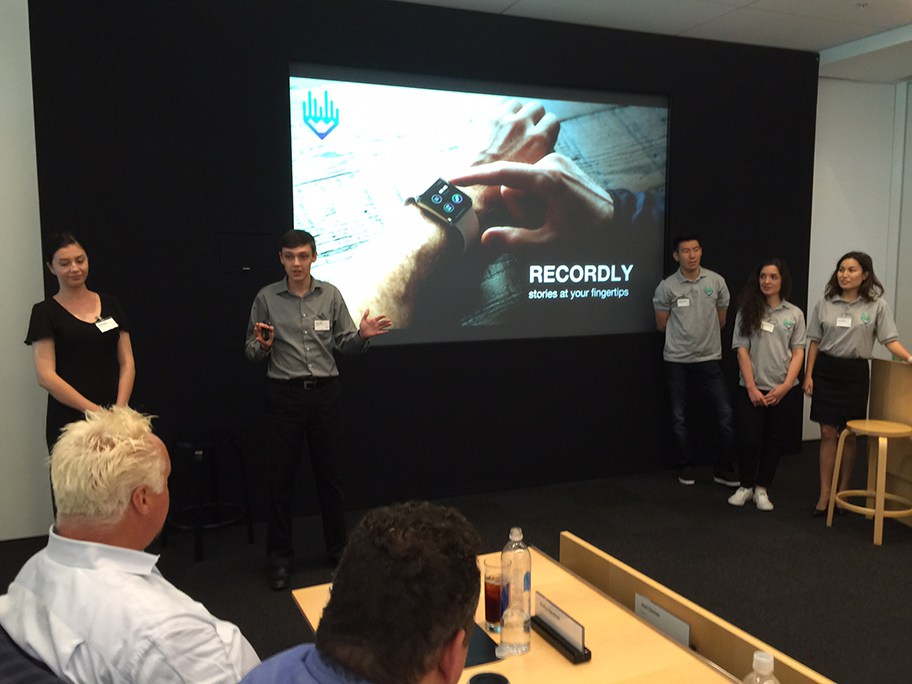
Team Recordly demonstrates its prize-winning interviewing tool at Silicon Valley tech firms
The winning team in the 2016 RJI Student Competition took full advantage of their grand prize trip to California last week, demonstrating their Apple Watch/iPhone interviewing tool in five key venues. Recordly members John Gillis, Zolbayar Magsar, Anna Maikova,Yaryna Mykhyalyshyn and Sintia Radu began their tech tour at Apple world headquarters in Cupertino. They … Continued
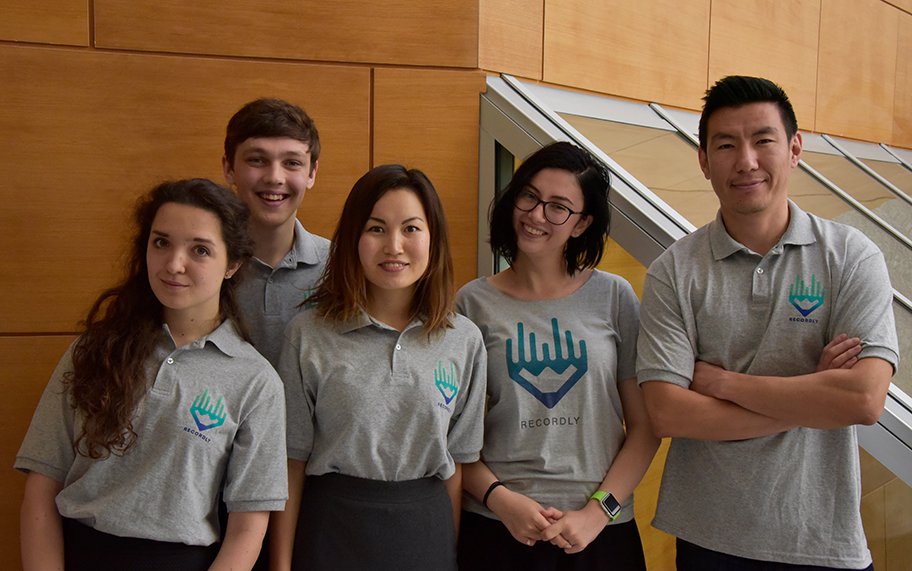
Interviewing tool for Apple Watch wins 2016 RJI Student Competition
Technical Merit award goes to event-mapping app
Missouri high schoolers in Talk Story, Write Story offered more than $700,000 in scholarships
Originally published on The Columbia Daily Tribune website Leaving his wife and baby asleep, Erik Potter slipped away into autumn darkness every Monday and Friday morning to drive to Hickman High School, where an early-bird secretary buzzed him in. With just 90 minutes available in an empty conference room, Potter and senior Vy Le always … Continued
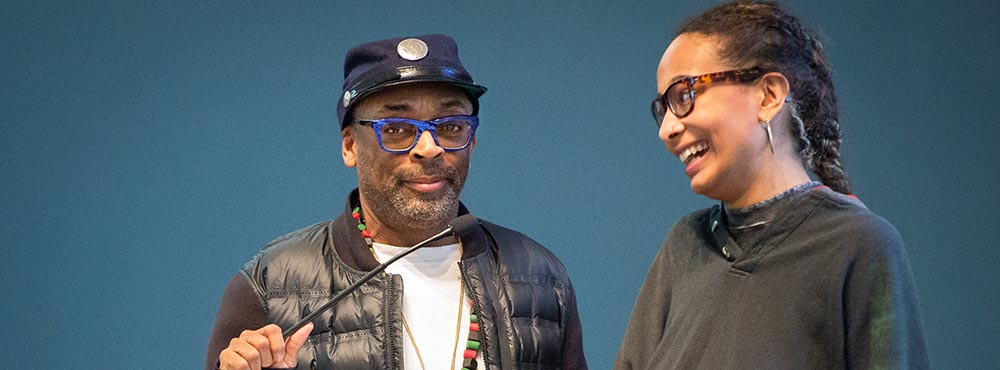
Documentary class in session at RJI with Professor Spike Lee
A highlight of my RJI stay happened last week, 30 feet from my office. Spike Lee gave a master class to documentary and photojournalism students. He was in Columbia, Missouri, to premiere “2 Fists Up: We Gon Be Alright,” a new ESPN documentary on racial unrest at the University of Missouri that uses footage from the … Continued

How to make online news ‘brain friendly’
Online news can work with or against the brain. When RJI Fellows Alex Remington of The Washington Post and media researcher Paul Bolls applied brain science principles to news design, readers’ comprehension, recall and engagement increased. We interviewed the researchers (audio below) to learn how to make articles “brain friendly.” It’s all about the “reading path,” says Remington. “Classify the … Continued