RJI Fellows stories
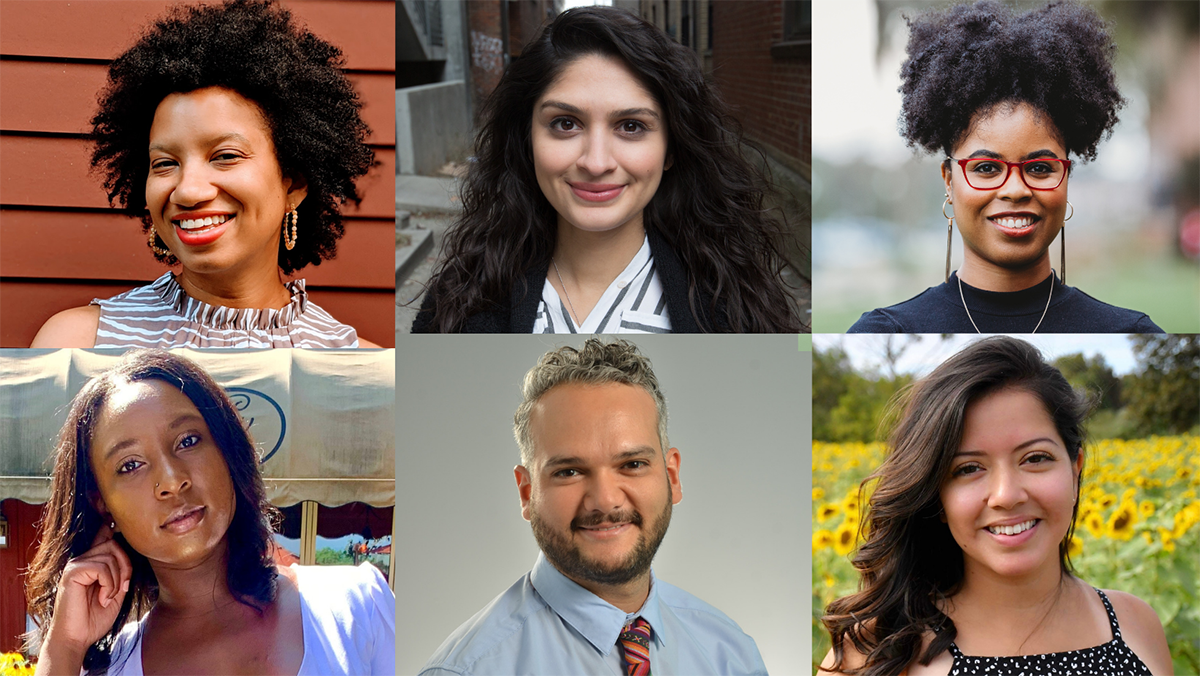
Announcing the Upward coaching cohort
Six rising leaders of color will focus on creating impact and culture change in their organizations.

The difficult task of creating a simple yet powerful startup name
The name you choose for your startup will drive the initial first impressions of investors and future collaborators. A strong company name can also sway the perception of the product for potential customers and collaborators.
It’s time to move beyond ‘inspiration porn’ and cover disability authentically and accurately
Every beat is a disability beat.

It is imperative that we think about our writers’ physical, emotional and legal safety
Lessons from the Global Press Institute’s Duty of Care program.
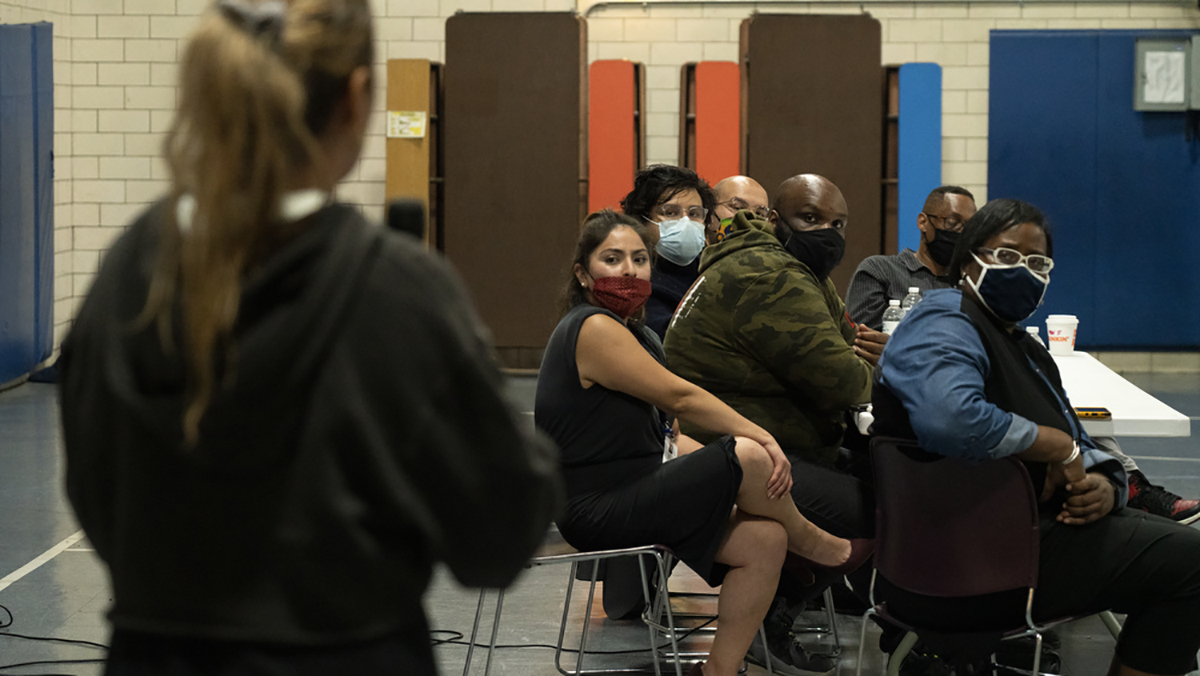
Our first community conversation
Takeaways and feedback from our first conversation with communities in Chicago.
Why newsrooms should invest in animation
Animation adds new opportunities for engaging different audiences, and that could help your bottom line.

How to become a mentor or sponsor
It can feel daunting and overwhelming to shape someone’s career. Here’s a few easy ways to get started.

Alt-text is journalism: Enhancing your reporting with accessibility
Learning to write alt-text can deepen your reporting and improve how you tell stories online.
Putting Airtable to work in your newsroom
From surveying readers to tracking impact, it can do a lot more than a spreadsheet.
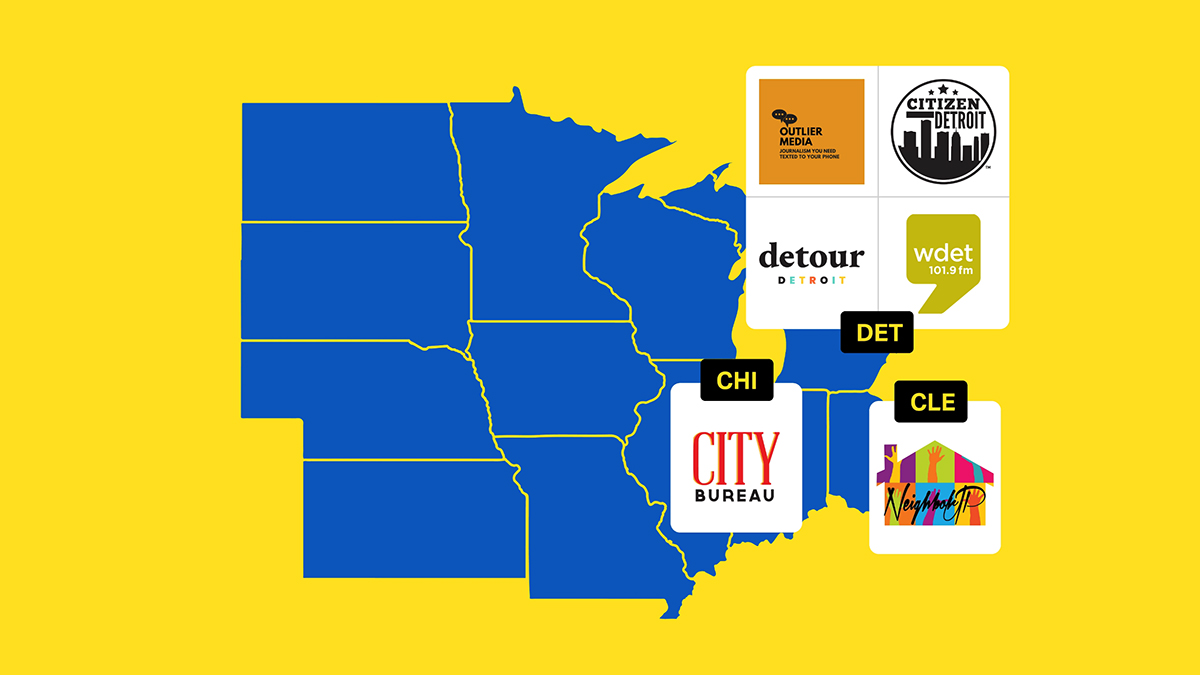
Q&A with Darryl Holliday: Lessons in training everyday people to document public events
“I think people get it much more quickly than journalists will give them credit for.”