How to embrace Nextdoor for News to grow local reach

Missouri Business Alert tried Nextdoor for News for a year, here’s what we learned
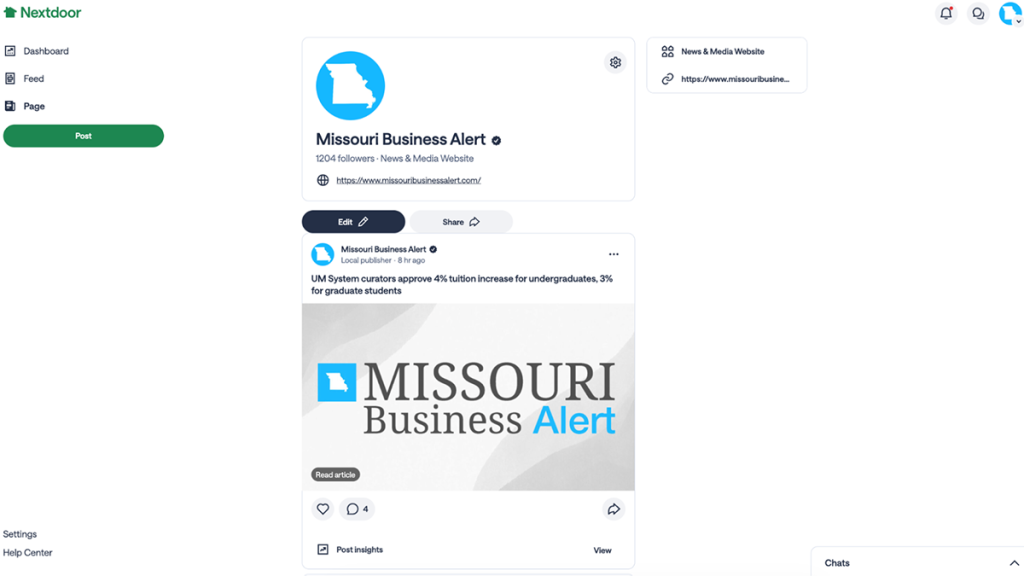
Over the past year, Missouri Business Alert has experimented with Nextdoor for News as a low-maintenance way to expand our audience and connect with readers in our local communities across Missouri.
For smaller newsrooms with limited staffing and social media bandwidth, Nextdoor offers an interesting opportunity: a largely untapped platform focused on neighborhoods and community conversation. While it’s not a replacement for owned audiences like newsletters or direct website traffic, we’ve found it can be a useful top-of-funnel awareness tool when used strategically.
Here’s what worked for us, what didn’t and how other small newsrooms can get started.
What is Nextdoor for News?
Nextdoor for News is a partnership program that allows news organizations to publish stories directly into one or more local neighborhood feeds on Nextdoor. Unlike other social platforms, Nextdoor is organized geographically, meaning stories can surface directly within communities where they are most relevant.
For Missouri Business Alert, the platform offered a few advantages:
- Minimal upkeep
- Additional visibility for stories
- Access to audiences outside our existing social channels
- Opportunities to drive newsletter subscriptions and website traffic
Our setup: Mostly automated
One of the biggest reasons the platform worked for us is that it required very little day-to-day management. We connected our RSS feed to Nextdoor, allowing stories to publish automatically.
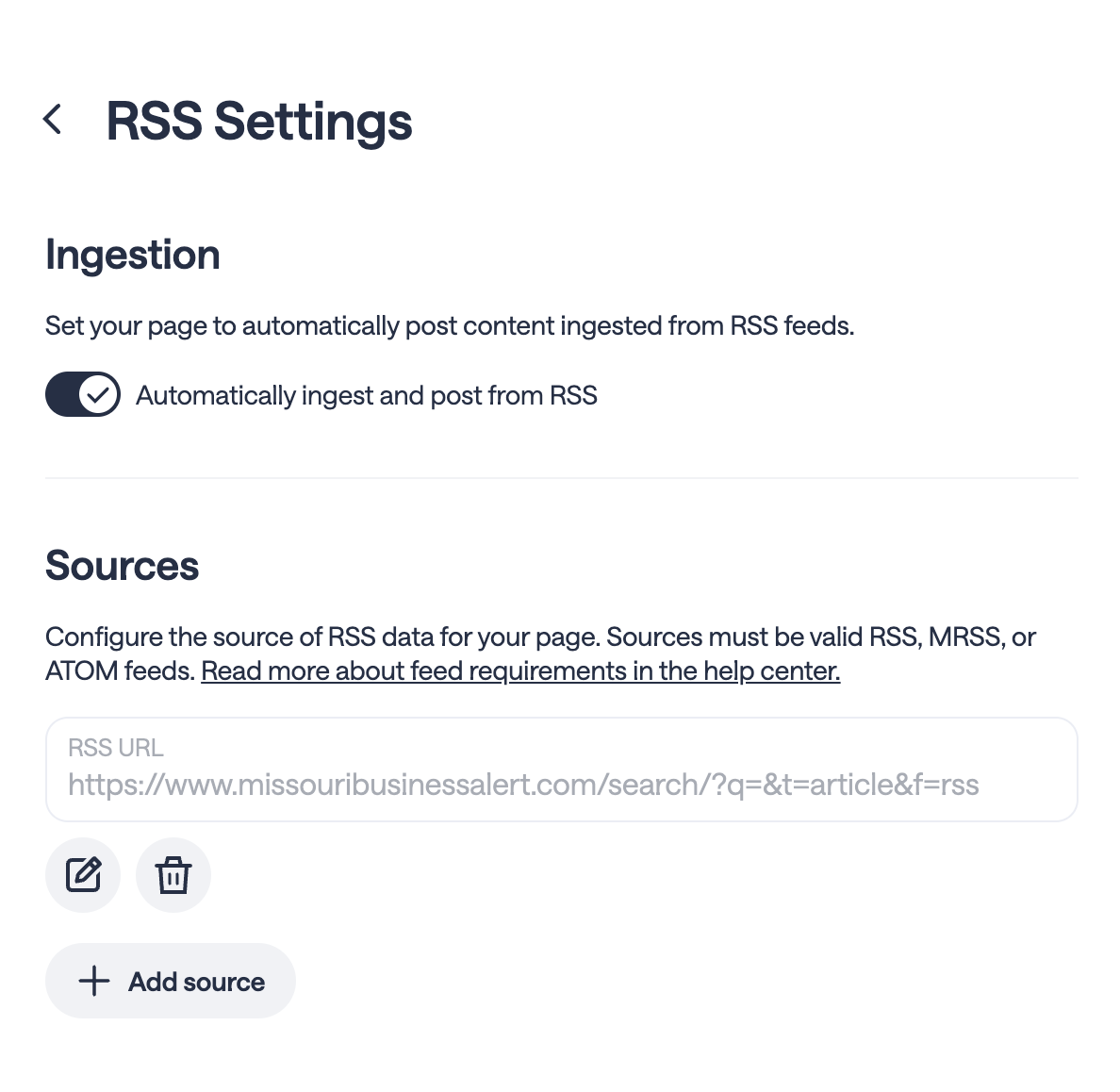
The basic setup process is fairly straightforward, even with a small team like ours. Here are the steps:
- Apply for the Nextdoor for News program
- Verify your newsroom and publication
- Connect your RSS feed
- Add branding elements and profile information
- Monitor posts periodically for performance and comments (for us, this means weekly)
Once connected, our stories began populating automatically in relevant local feeds. However, we occasionally updated the feed manually with things like calls to subscribe or requests for awards nominations, targeting specific neighborhoods we wanted to reach with specific information.
Additionally, we launched our Nextdoor account in tandem with a new registration wall that made stories on our website free to read with an email signup. That meant original stories auto-posted to Nextdoor created a natural subscription funnel for us.
What we saw over 12 months
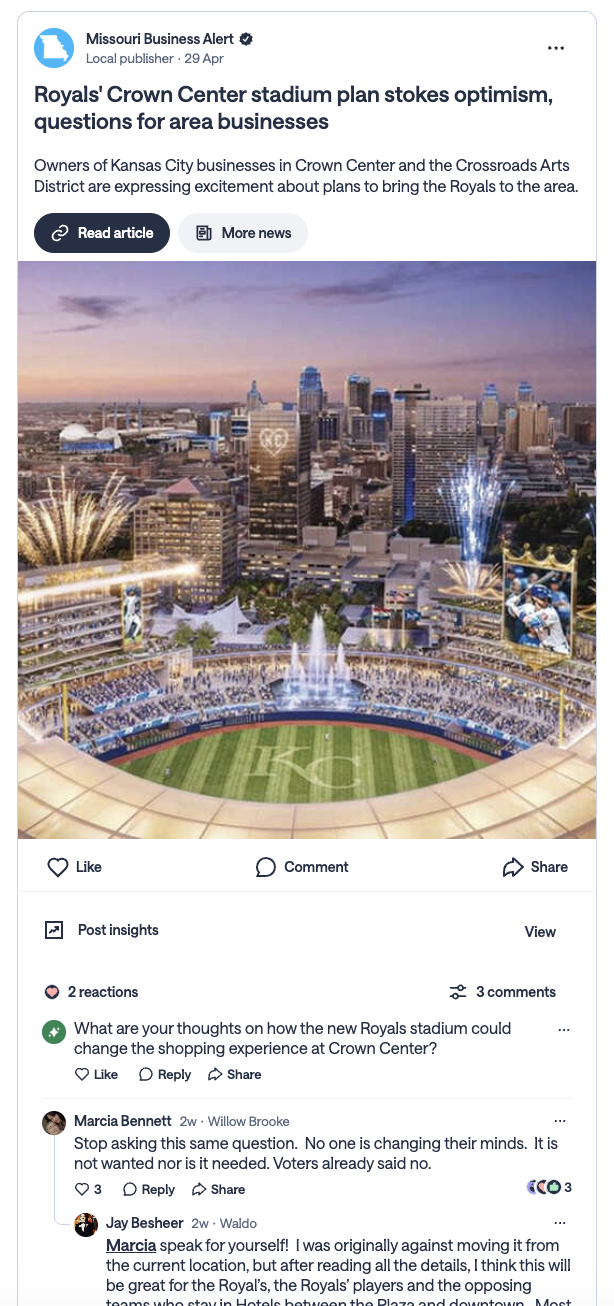
Over the past year, Missouri Business Alert saw Nextdoor follower counts grow faster than any of our other social media feeds. Additionally, the discussion-based nature of Nextdoor provided ample opportunities for our readers to engage with each other and the content, benefitting us within the algorithm.
A few things stood out:
- Automation helped consistency. Because the RSS feed handled publishing automatically, we maintained a regular presence without adding a major workflow step for staff.
- Hyperlocal stories performed best. Stories tied to Missouri communities, local businesses, cost-of-living issues, workforce trends and regional economic impacts tended to resonate more than broader statewide or national topics. Nextdoor audiences appear most responsive to stories that feel immediately relevant to their daily lives.
- Nextdoor worked best as awareness — not deep engagement. The platform increased visibility, especially among non-followers, but it was less effective for building sustained engagement compared to newsletters or direct audience relationships. In many cases, users encountered stories casually while browsing neighborhood conversations rather than intentionally seeking news content.
Challenges we encountered
Like any platform, Nextdoor also came with some challenges: .
- Limited editorial control: Automated publishing is efficient, but it also reduces flexibility around headlines, formatting and story presentation.
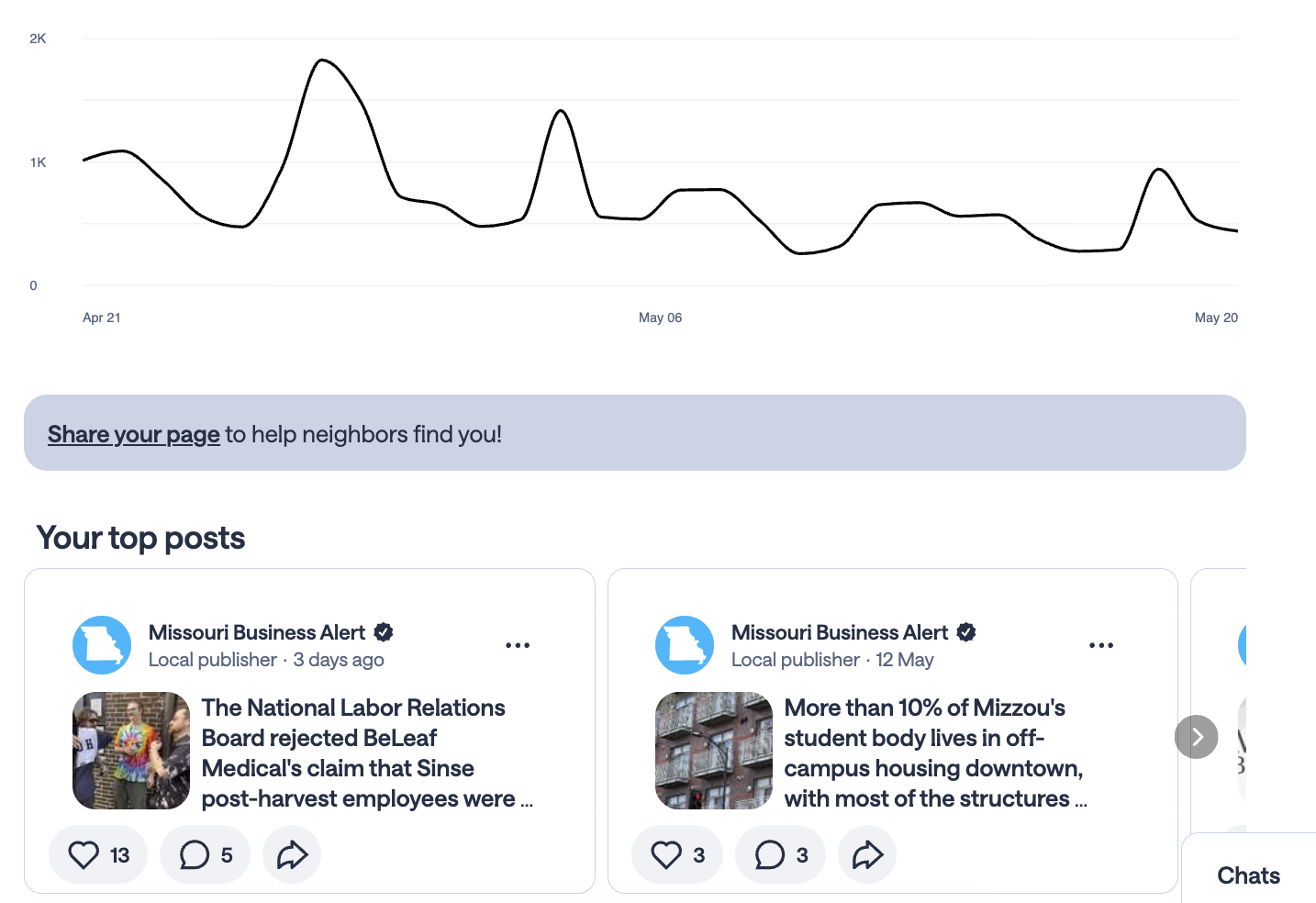
- Weak analytics: Measurement tools are currently fairly limited, making it difficult to fully assess conversion or audience behavior. Nextdoor has indicated expanded analytics tools are coming, which could improve newsroom decision-making in the future.
- Audience mismatch: Not every story fits the platform. Some business reporting performed well; other stories struggled to find traction with neighborhood-focused audiences.
- Risk of low-quality engagement: As with many community platforms, comment sections can occasionally drift away from productive discussion. For smaller teams, consider your staff’s capacity to moderate comment sections.
What we’d recommend for newsrooms trying Nextdoor
After a year of experimentation, our biggest takeaway is this: Use Nextdoor strategically, not primarily.
For smaller newsrooms, our recommended approach is:
- Automating story distribution through RSS
- Prioritizing hyperlocal and community-centered reporting
- Using the platform to funnel readers toward owned channels like newsletters or web stories
- Supplementing automation with occasional manual posts, polls or questions
- Treating Nextdoor as an awareness tool rather than a primary engagement platform
In other words: It’s a useful addition to an audience strategy, but probably not going to become the center of one.
Final thoughts
For Missouri Business Alert, Nextdoor for News has been a worthwhile experiment because it expanded visibility without requiring major additional staffing or resources.
As local news organizations continue searching for sustainable audience growth strategies, platforms like Nextdoor may offer smaller newsrooms another practical way to meet audiences where they already are, especially at the community level.
The key is approaching the platform with realistic expectations and a clear understanding of what success looks like for your newsroom.
Cite this article
Lackland, Lorah (2026, May 26). How to embrace Nextdoor for News to grow local reach. Reynolds Journalism Institute. Retrieved from: https://rjionline.org/news/how-to-embrace-nextdoor-for-news-to-grow-local-reach/